
Commuter Rail Operators Focus on Capacity and Disruption Mitigation
Signal
Suburban rail operators are implementing technology to manage disruptions and enhance capacity in urban areas.
Impact
neutralRail operators, urban planners, and commuters face increased pressure to improve service reliability and capacity management. This could lead to investments in technology and infrastructure upgrades.
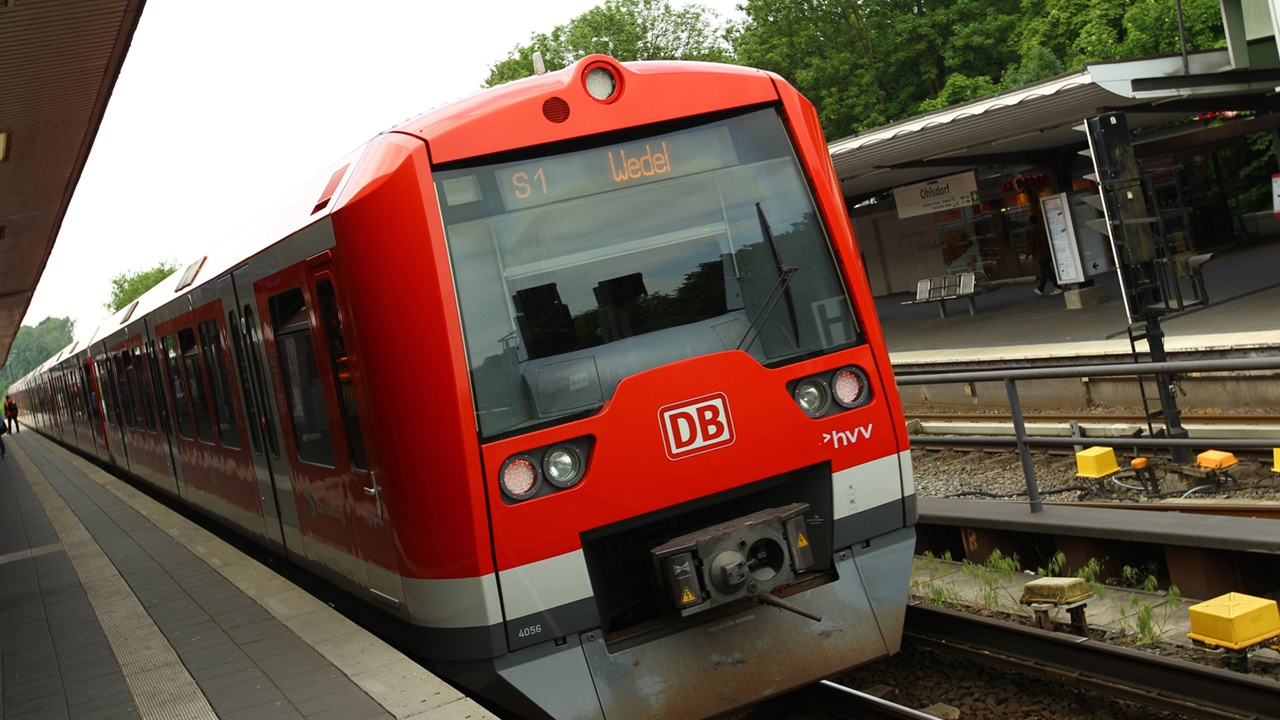
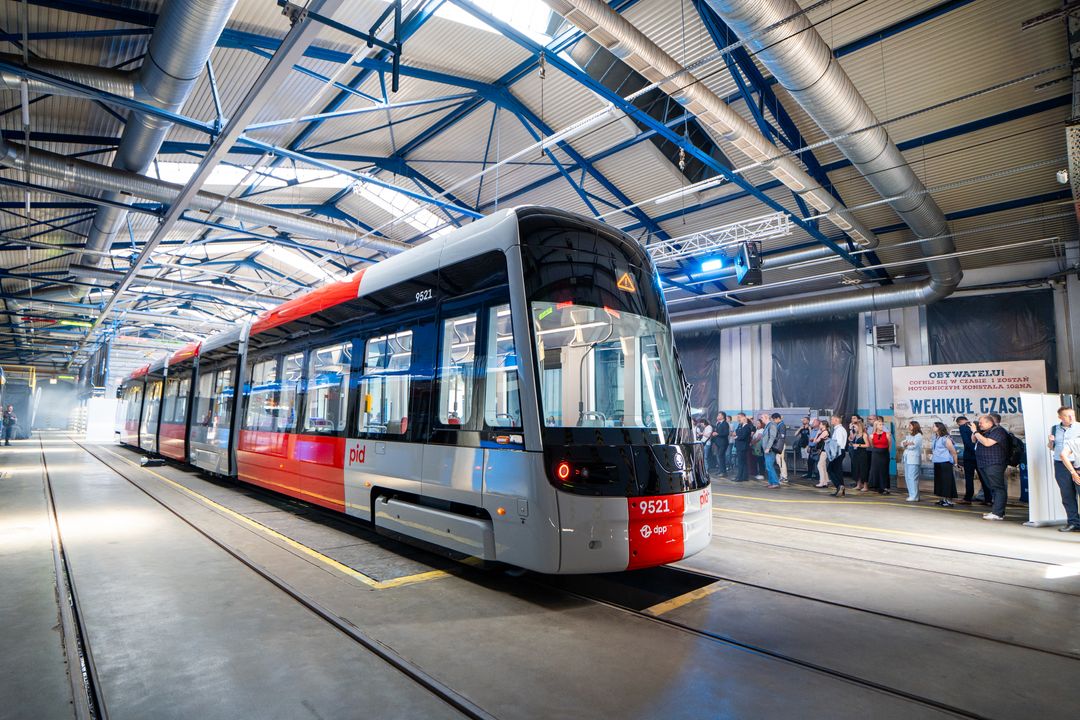
Suburban rail operators across North America, Europe, and Asia are increasingly focusing on capacity management and disruption mitigation as urbanization saturates urban nodes. The trend of rising urban populations has led to significant challenges for rail operators, who must adapt their services to meet growing demand.
Operators are tailoring maintenance activities to address high-risk areas, ensuring that critical infrastructure remains operational during peak times. For instance, in the United States, several commuter rail services have reported implementing predictive maintenance technologies that utilize data analytics to identify potential failures before they occur. This proactive approach aims to reduce service interruptions and enhance overall reliability.
In Europe, operators are investing in real-time monitoring systems that provide instant feedback on train performance and infrastructure conditions. These systems allow for rapid response to issues, minimizing delays and improving passenger experience. For example, the UK’s Network Rail has been integrating advanced monitoring technologies to better manage track conditions and train schedules.
Asian rail operators are also leveraging technology to enhance capacity. In Japan, the East Japan Railway Company has introduced automated systems to optimize train schedules based on real-time passenger demand. This not only improves service frequency but also helps manage overcrowding during peak hours.
As urban areas continue to grow, the pressure on suburban rail systems will only increase. Operators must continue to innovate and invest in both technology and infrastructure to meet these challenges. The collaboration between rail operators and urban planners will be crucial in developing integrated transport solutions that can accommodate future growth.