Digital Automatic Coupling: Research Project on Modernizing Freight Tr
Signal
The Federal Ministry of Transport concluded the DAK Demonstrator research project on Digital Automatic Coupling after six years.
Impact
positiveRail freight operators and technology developers will benefit from improved efficiency and safety in freight transport, potentially increasing market competitiveness.
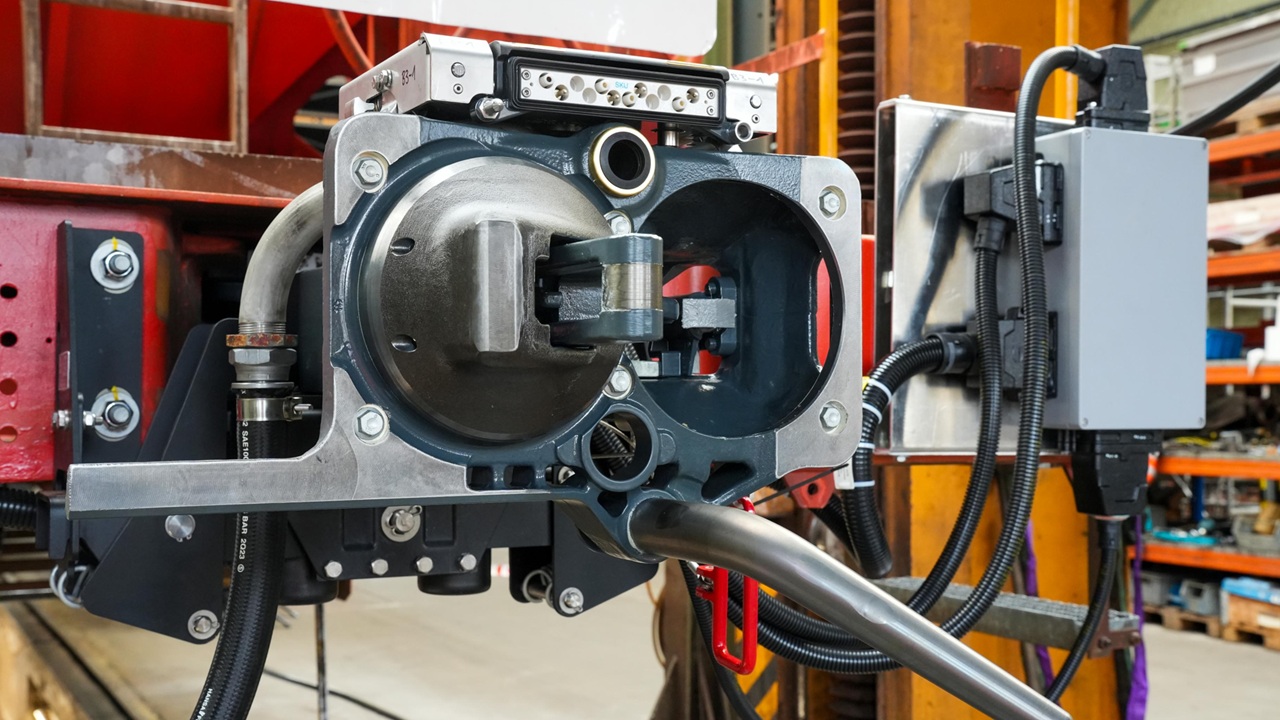
The Federal Ministry of Transport in Germany has completed a six-year research project on the Digital Automatic Coupling (DAK) system, which aims to modernize rail freight transport. The project, known as the DAK Demonstrator, concluded with a formal event in Lippstadt, where the ministry presented its positive assessment of the technology.
The DAK system is designed to enhance the efficiency, safety, and competitiveness of rail freight operations. By automating the coupling process, the DAK technology reduces the time and labor required for train assembly, which can lead to significant operational cost savings for rail freight operators. This advancement is particularly crucial as the rail industry seeks to compete with other modes of transport, such as trucking, which often dominate the logistics sector.
Key stakeholders in the rail freight sector, including operators and technology developers, are likely to see immediate benefits from the implementation of DAK. The automation of coupling processes can lead to faster turnaround times for freight trains, thereby increasing the overall capacity of rail networks. Additionally, the enhanced safety features of the DAK system aim to reduce the risk of accidents during coupling operations, which has been a concern in the industry.
The DAK project was part of the broader DAC4EU consortium, which includes various partners from the rail industry and research institutions. The successful conclusion of this project marks a significant milestone in the push for digitalization within the rail sector, aligning with European Union initiatives to modernize transportation infrastructure.
As the rail industry moves towards adopting the DAK system, it will be essential for operators to invest in training and infrastructure to fully leverage the benefits of this technology. The positive assessment from the Federal Ministry of Transport may encourage further investments and collaborations within the sector, fostering innovation and growth in rail freight transport.