GSM-R outage resolved: German rail traffic resumes after nationwide radio failure
Signal
RESOLVED (00:20 CET, June 24) — GSM-R failure lasted ~4h — nationwide rail traffic resuming, delays persist
Impact
negativeMillions affected during outage. Services resuming but knock-on delays and cancellations expected through Wednesday morning.
UPDATE — 00:20 CET, June 24. The cause of the nationwide GSM-R disruption that paralyzed German rail traffic on Tuesday evening has been identified and resolved, Deutsche Bahn confirmed. Train services across the country — including the Berlin S-Bahn — are gradually resuming, though passengers should continue to expect delays and cancellations as operations normalize.
Original report, June 23: The ongoing GSM-R digital rail radio outage that hit Germany late Tuesday evening brought the Berlin S-Bahn network to a complete standstill, with all lines affected by what the operator described as a "netzwerkweite Störung im Kommunikationssystem" (network-wide communication system disruption). The outage, confirmed to affect rail services across the entire country, left millions of passengers stranded with no estimated time of resolution at the time.
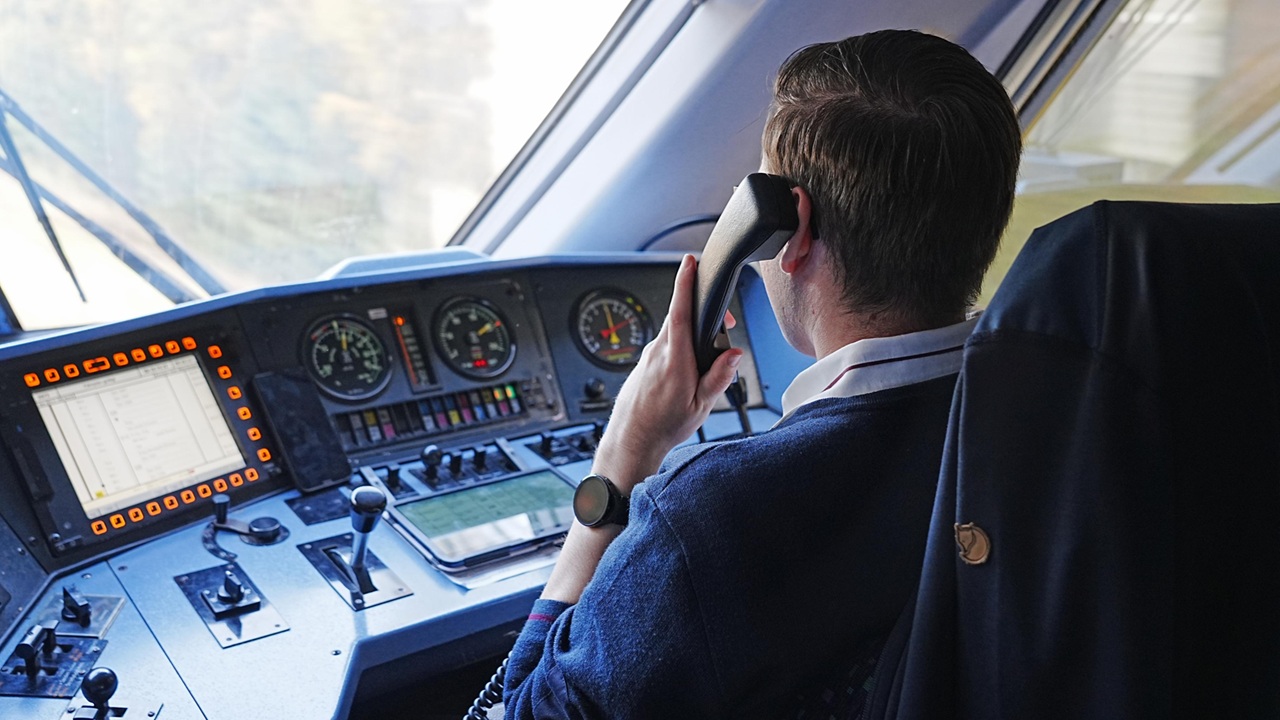
The S-Bahn Berlin GmbH confirmed that the disruption impacted all S-Bahn lines in the capital region, spanning Berlin and Brandenburg. The company was unreachable by telephone on Tuesday evening, underscoring the severity of the communication breakdown. The digital railway radio system — GSM-R — serves as the backbone for voice and data communication between train drivers, dispatchers, and control centers across the Deutsche Bahn network.
Deutsche Bahn's statement during the outage: "Our technicians are working at full speed to resolve the disruption." Both the primary and backup GSM-R systems failed simultaneously — a scenario classified as a critical infrastructure emergency under German rail safety protocols.
The incident raises urgent questions about the redundancy architecture of Europe's busiest rail network. GSM-R was designed to provide continuous secure communication, yet the dual-system failure revealed a single point of failure that German regulators, including the Eisenbahn-Bundesamt (EBA), will need to investigate. For context, this was the most severe rail communication failure in Germany since the GSM-R system was deployed in the early 2000s.
With the outage resolved after approximately 4 hours, attention now turns to the root cause and what safeguards must be implemented to prevent a recurrence on Germany's — and Europe's — most critical rail corridors.