Rolling StockDEJune 2, 2026Score: 8/10PRO
Lifecycle of Railcar Components: When to Repair vs Replace
Signal
Fleet managers must evaluate the degradation of railcar components to determine whether to repair or replace them.
Impact
neutralRailcar manufacturers and fleet operators must adapt maintenance strategies to enhance safety and reduce operational risks, potentially leading to increased costs or savings depending on the decision made.
In the rail industry, the lifespan of railcar components is a critical factor influencing safety, operational efficiency, and cost management. Fleet managers must navigate the complexities of component degradation, which does not occur abruptly but rather follows a predictable pattern over time. Understanding this lifecycle is essential for making informed decisions about whether to repair or replace components.
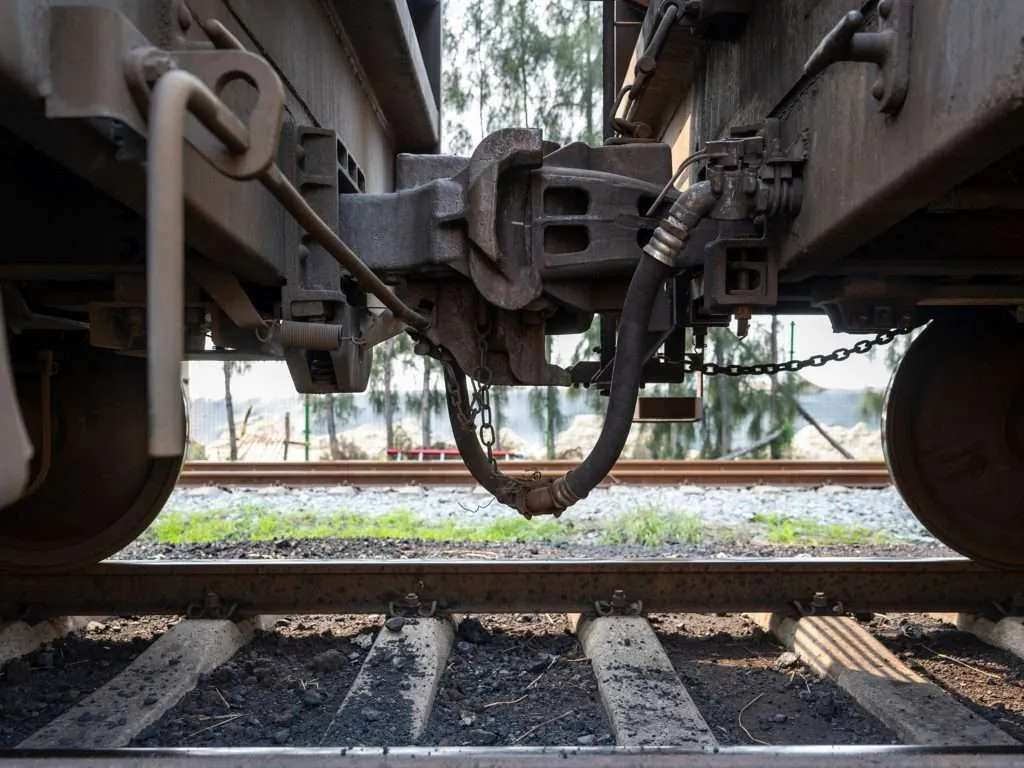
The decision-making process involves assessing the condition of various components, including wheels, brakes, and couplers, which can significantly impact the overall performance of railcars. For instance, worn-out brake systems can lead to increased stopping distances, posing safety risks. Fleet managers must weigh the costs associated with repairs against the potential risks of component failure.
Recent trends indicate that many fleet operators are leaning towards proactive maintenance strategies. According to a report from the Association of American Railroads, 60% of railroads have adopted predictive maintenance technologies to monitor component health. This shift allows for timely interventions, potentially extending the lifespan of components and reducing the frequency of costly replacements.
Moreover, the economic implications of these decisions are substantial. A study by the Railway Supply Institute found that improper maintenance can lead to operational disruptions costing rail operators an average of $1.5 million per incident. Therefore, the stakes are high for fleet managers who must balance immediate repair costs with long-term operational reliability.
In conclusion, the lifecycle of railcar components is a complex interplay of safety, cost, and operational longevity. Fleet managers must adopt a strategic approach to maintenance, leveraging technology and data analytics to make informed decisions that enhance safety and efficiency while managing costs effectively.