
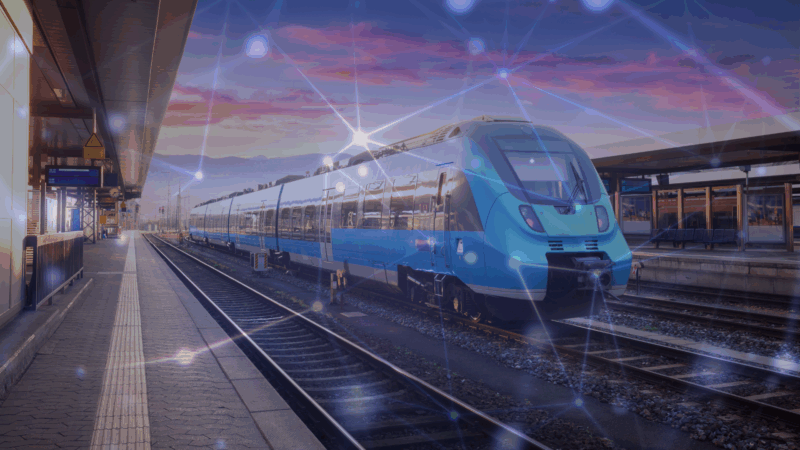
Migration Support for the Transition from GSM-R Towards FRMCS
Signal
Nokia promotes FRMCS as the next-generation standard to replace GSM-R for railway communications.
Impact
neutralRailway operators and technology providers will need to adapt their systems to integrate FRMCS, potentially incurring costs for upgrades and training.
Nokia's Railway Business Development Lead for Europe, Karsten Oberle, emphasizes the importance of transitioning from GSM-R to the Future Railway Mobile Communication System (FRMCS). This next-generation communication standard aims to enhance railway operations by providing higher bandwidth and lower latency compared to its predecessor, GSM-R. The transition is crucial as rail operators increasingly adopt digital technologies to improve efficiency and safety.
GSM-R has served as a reliable communication system for mission-critical voice and signaling in railway operations. However, as the demand for data-intensive applications grows, the limitations of GSM-R become apparent. FRMCS is designed to address these challenges by offering a more flexible and robust communication framework that supports advanced digital rail operations.
The migration to FRMCS will require significant investment from railway operators and technology providers. They will need to upgrade existing infrastructure and train personnel to effectively utilize the new system. This transition presents both challenges and opportunities for stakeholders in the rail industry, as those who adapt quickly may gain a competitive edge in the evolving market.
As the rail sector moves towards digitalization, the successful implementation of FRMCS will play a pivotal role in enhancing operational efficiency and safety. Railway operators must prioritize this transition to remain competitive and meet the growing demands of modern rail transport.


