
Ministry of Transportation Pushes for More Funding for New Rail Constr
Signal
The Federal Ministry of Transportation seeks additional funding for new rail projects during budget negotiations.
Impact
positiveIncreased funding will benefit construction firms and rail operators, potentially accelerating project timelines and enhancing rail infrastructure.
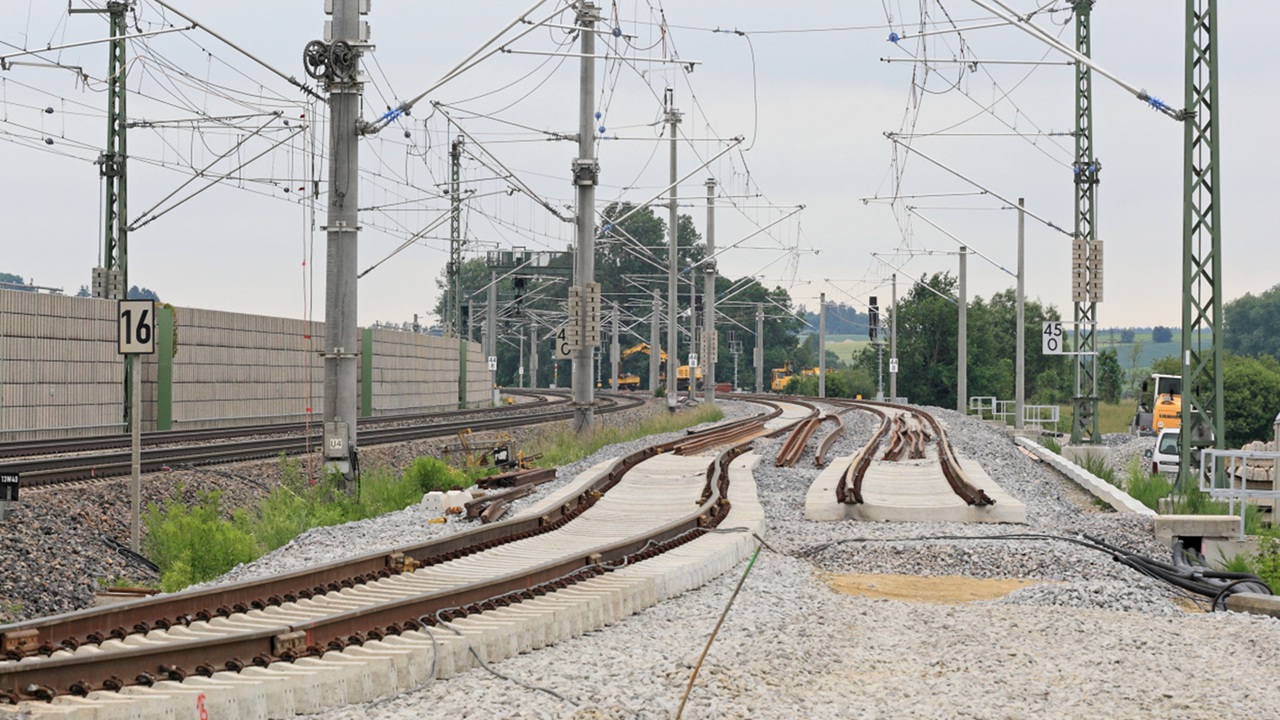
The Federal Ministry of Transportation in Germany, under the leadership of Minister Patrick Schnieder from the CDU, is actively seeking more funding for new rail construction projects. This push comes during ongoing budget negotiations, where the ministry aims to secure financial resources specifically earmarked for expanding and modernizing the rail network.
Currently, funds from the special budget are primarily allocated for the maintenance of existing rail lines. However, Schnieder's ministry emphasizes the necessity of investing in new construction to meet growing transportation demands and improve overall rail infrastructure. A spokesperson for Schnieder highlighted the urgency of this funding request, indicating that without it, the expansion of the rail network may stagnate.
Stakeholders affected by this funding initiative include construction firms that rely on government contracts for rail projects and rail operators who depend on an expanded network to enhance service delivery. If the ministry successfully secures additional funding, it could lead to a faster rollout of new rail lines, ultimately improving connectivity and efficiency within the rail system.
Moreover, the push for new rail construction aligns with broader governmental goals of promoting sustainable transportation solutions. By investing in rail infrastructure, the ministry aims to reduce road congestion and lower carbon emissions associated with freight and passenger transport.
As the budget negotiations progress, the outcome will significantly impact the future of rail construction in Germany. The ministry's advocacy for increased funding reflects a strategic approach to address both current and future transportation needs, ensuring that the rail network can accommodate anticipated growth in passenger and freight traffic.


