No bids for the second time for Valladolid terminal tender
Signal
Adif's tender for the Valladolid terminal was declared deserted for the second time on June 10, 2026.
Impact
negativeThis situation affects Adif, which must reconsider its tendering strategy, and potential operators who may miss out on opportunities in the Valladolid region.
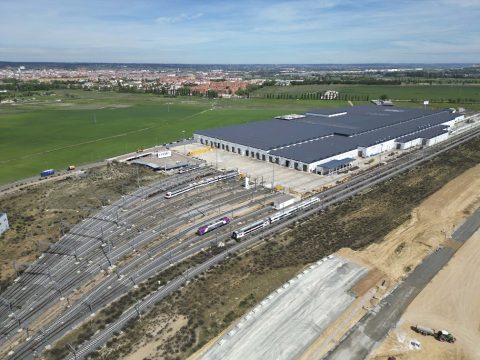
On June 10, 2026, Spain's infrastructure manager Adif announced that its tender for the Valladolid terminal has been declared deserted for the second consecutive time. This terminal, located in northern Spain, is fully constructed and ready for operations, yet no bids have been submitted during both tendering attempts.
The lack of interest from potential operators raises concerns about the viability of the terminal and the broader implications for rail freight operations in the region. Adif's decision to launch the tender twice without receiving any bids indicates a potential disconnect between the infrastructure being offered and the market's current demand or interest.
Adif must now reassess its strategy for attracting operators to the Valladolid terminal. This may involve revising the tender conditions, offering incentives, or engaging in direct negotiations with potential stakeholders to stimulate interest. The absence of bids could also reflect broader market trends, such as economic conditions or competition from other transport modes.
For potential operators, the deserted tender signifies missed opportunities in a region that could benefit from enhanced rail freight services. The Valladolid terminal, once operational, could serve as a critical hub for intermodal transport, linking various freight corridors across Spain and beyond. However, without operators willing to engage, the terminal's potential remains untapped.
This situation highlights the challenges faced by infrastructure managers like Adif in promoting new terminals and ensuring they meet the needs of the market. As the rail industry continues to evolve, understanding the factors that influence operator interest will be crucial for future tendering processes.