Saarland's Last Museum Railway Facing Closure – Ostertalbahn to Be Shu
Signal
The St. Wendel District Council voted 22 in favor and 1 against to initiate decommissioning proceedings for the Ostertalbahn.
Impact
negativeLocal tourism operators and railway enthusiasts face a loss of heritage transport options, while the council aims to redirect funds to other community projects.
The St. Wendel District Council's recent decision to initiate the decommissioning of the Ostertalbahn marks a significant turning point for heritage rail transport in Saarland. With a vote of 22 to 1, the council has prioritized economic considerations and the high costs associated with necessary renovations over the preservation of this historical railway.
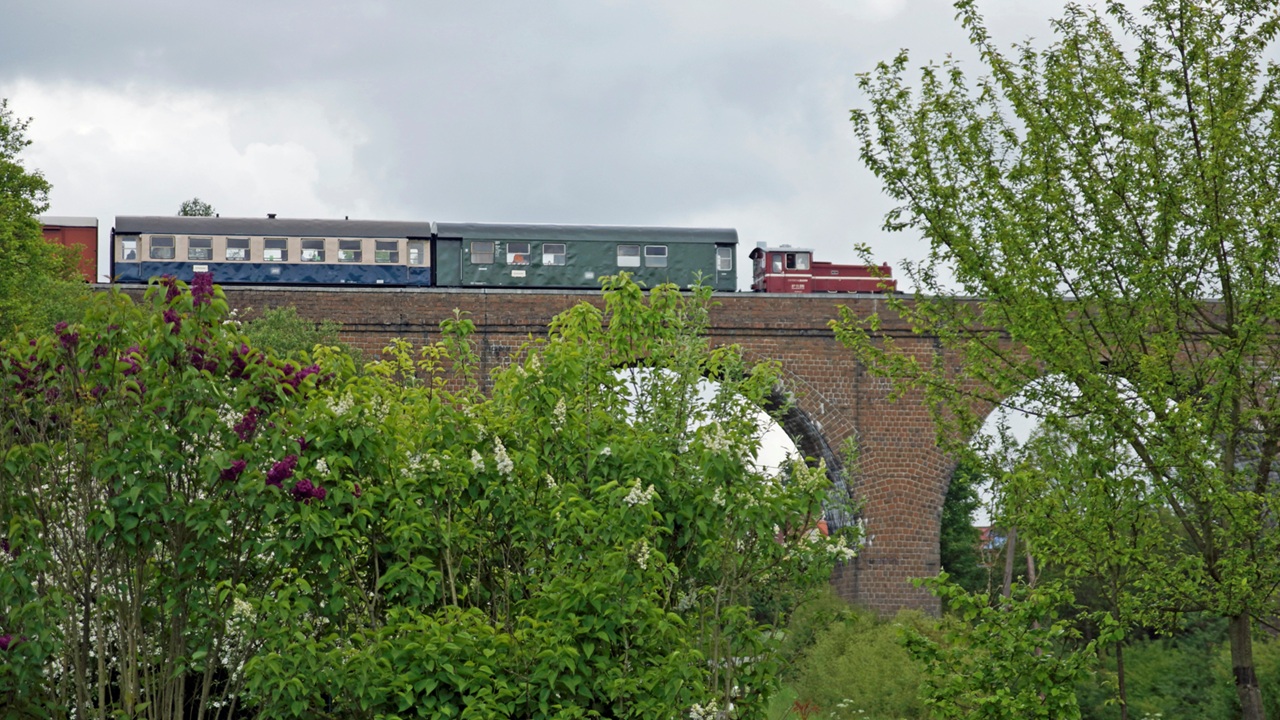
The Ostertalbahn, a museum railway, has been a key attraction for both local residents and tourists. Its closure will likely impact local tourism operators who rely on the influx of visitors drawn by the railway's historical significance. The council's decision reflects a broader trend in regional governance where financial sustainability often trumps cultural preservation.
Economic factors cited by the council include the substantial costs required for renovations to maintain safety and operational standards. These costs have become increasingly burdensome, prompting the council to seek alternative uses for the funds that would have been allocated to the railway. This decision may lead to a reallocation of resources towards other community projects that promise more immediate economic benefits.
Railway enthusiasts and preservationists are likely to express disappointment over the decision, as the Ostertalbahn represents a unique piece of regional history. The loss of such a railway diminishes the cultural fabric of the area and reduces opportunities for educational experiences related to the region's railway heritage.
As the decommissioning process unfolds, stakeholders such as local businesses and cultural organizations will need to adapt to the changing landscape. The council's focus on economic viability may lead to a shift in how heritage sites are managed and funded in the future, potentially setting a precedent for other similar initiatives across Germany.