
Seoul's Sillim Line Enhances Reliability with Advanced Technologies
Signal
Seoul's Sillim Line applies digital twin technology and AI for predictive maintenance.
Impact
positiveOperators like Rotem SRS and technology firms such as VisionIT benefit from enhanced operational efficiency and reduced maintenance costs.
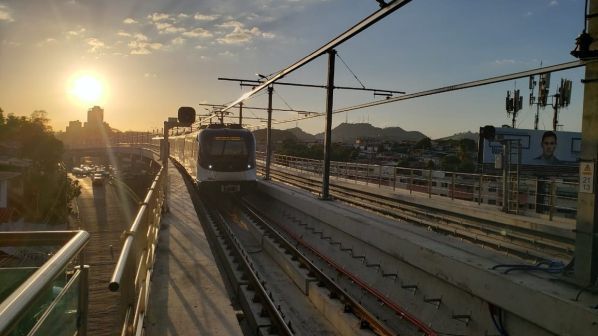
Seoul's driverless Sillim Line has integrated digital twin technology, condition monitoring, and AI-supported predictive maintenance to improve its operational reliability and safety. This initiative, led by the railway software and AI engineering company VisionIT in collaboration with operator Rotem SRS, aims to enhance the efficiency of the rubber-tyred light metro system.
The deployment of these advanced technologies allows for real-time monitoring of the metro's condition, enabling proactive maintenance strategies. By utilizing digital twins, the Sillim Line can simulate various operational scenarios, which aids in identifying potential issues before they escalate into significant problems. This predictive maintenance approach not only minimizes downtime but also optimizes the overall performance of the metro system.
As a result, stakeholders such as Rotem SRS and VisionIT can expect improved reliability metrics, which are crucial for maintaining passenger trust and satisfaction. Furthermore, the implementation of these technologies is likely to lead to cost savings in maintenance operations, benefiting the financial health of the metro system.
In a broader context, the success of the Sillim Line's technological upgrades may encourage other metro systems globally to adopt similar innovations. This trend could lead to a significant shift in how urban transit systems manage maintenance and operational efficiency, ultimately enhancing the passenger experience across various cities.