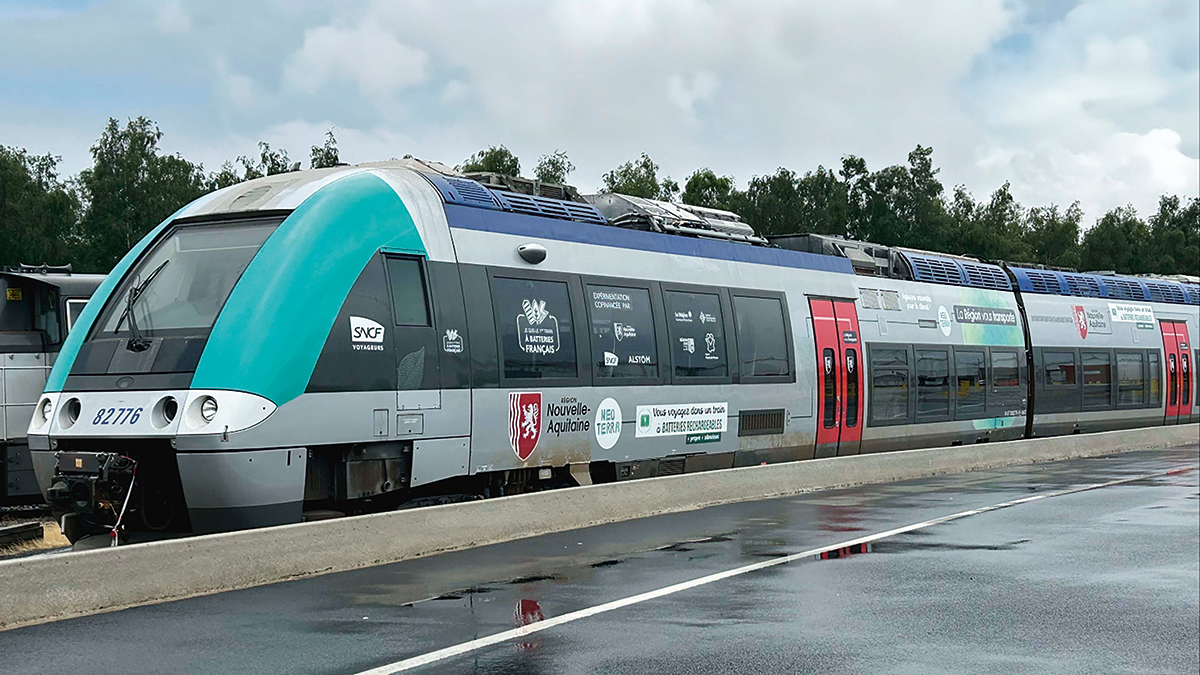

SNCF: Train Service in Western France Partially Suspended Due to Extre
Signal
SNCF suspends daytime train services in the Nouvelle-Aquitaine region due to temperatures reaching 44.3 degrees Celsius.
Impact
negativePassengers in western France face disruptions, while SNCF must manage operational challenges and potential revenue losses from canceled long-distance trains.
SNCF has announced a partial suspension of train services in western France due to extreme heat conditions, with temperatures soaring to 44.3 degrees Celsius. This decision primarily affects the Nouvelle-Aquitaine region, where daytime train operations will be halted to ensure passenger safety and prevent overheating of train systems.
The suspension of services is particularly impactful for long-distance trains, which will also face cancellations when air conditioning systems reach their operational limits. This situation arises as the French railway operator prioritizes the safety and comfort of its passengers amid unprecedented heat levels.
As a result of these service interruptions, passengers traveling in and out of the affected areas will experience significant delays and cancellations. This disruption not only inconveniences travelers but also poses operational challenges for SNCF, which must navigate the complexities of rescheduling and managing customer expectations during this period.
Furthermore, the financial implications for SNCF could be substantial. With a reduction in train services, the company may face decreased ticket sales and potential compensation claims from affected passengers. The situation highlights the broader impact of climate change on transportation infrastructure, as extreme weather events become more frequent and severe.
In summary, SNCF's decision to suspend train services in western France due to extreme heat reflects the growing challenges faced by rail operators in adapting to changing climate conditions. The immediate consequences for passengers and the potential financial impact on SNCF underscore the need for robust contingency planning in the face of such environmental challenges.