
Spain Allocates €645,000 for Bilbao–Santander Rail Corridor Feasibilit
Signal
Spain has awarded a €645,000 feasibility study for a new Bilbao–Santander rail corridor.
Impact
positiveThe Basque Country and Cantabria will benefit from improved rail connectivity, potentially enhancing freight transport efficiency and attracting logistics investments.
On June 25, 2026, Spain announced the allocation of €645,000 for a feasibility study aimed at developing a new high-speed rail corridor between Bilbao and Santander. This initiative is part of a broader strategy to enhance rail connectivity in the region, which is expected to facilitate both passenger and freight transport.
The feasibility study will explore various aspects of the project, including new route options, the potential use of existing infrastructure, and a phased implementation plan. By identifying potential freight flows, the study aims to integrate freight transport into the high-speed rail framework, which could significantly improve logistics operations in the Basque Country and Cantabria.
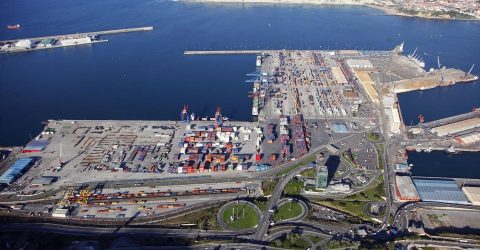
The Port of Bilbao, a key player in this initiative, stands to gain from increased freight capacity and efficiency. Enhanced rail connectivity could lead to a rise in cargo volumes handled at the port, thereby boosting its competitiveness in the logistics sector. Additionally, local businesses in both the Basque Country and Cantabria may experience improved access to markets, which could stimulate economic growth in the region.
Furthermore, this project aligns with the European Union's Trans-European Transport Network (TEN-T) objectives, which aim to enhance transport infrastructure across member states. By investing in rail infrastructure, Spain is positioning itself to meet future transport demands while promoting sustainable transport solutions.
In summary, the feasibility study for the Bilbao–Santander rail corridor represents a strategic investment in regional connectivity. The focus on freight transport within the high-speed rail framework could yield significant benefits for local economies and the logistics sector, making it a noteworthy development in Spain's transport policy.