
Spain Awards €645,000 Feasibility Study for Bilbao–Santander Rail Corridor
Signal
Spain has awarded a €645,000 feasibility study for a new Bilbao–Santander rail corridor.
Impact
positiveThe feasibility study will impact regional logistics companies and the Port of Bilbao, potentially enhancing freight transport efficiency and connectivity in the Basque Country and Cantabria.
On June 25, 2026, Spain announced a €645,000 feasibility study aimed at developing a new rail corridor between Bilbao and Santander. This initiative is part of a broader strategy to enhance high-speed rail connectivity in the region while also assessing potential freight transport opportunities.
The study will explore various route options and evaluate the use of existing infrastructure, which could lead to phased implementation of the project. The focus on freight flows indicates a dual purpose for the corridor, catering not only to passenger travel but also to the logistics sector.
Key stakeholders in this project include regional logistics companies and the Port of Bilbao, which is a significant hub for maritime trade. By identifying potential freight flows, the study aims to improve the efficiency of goods transport between these two important locations in the Basque Country and Cantabria.
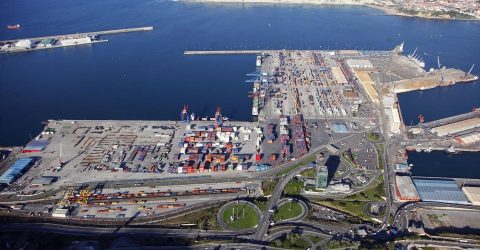
The Port of Bilbao, known for its strategic location, could see increased freight activity as a result of improved rail connectivity. This could lead to enhanced competitiveness for local businesses and attract new logistics operations to the area.
Furthermore, the feasibility study aligns with the European Union's Trans-European Transport Network (TEN-T) objectives, which aim to promote sustainable and efficient transport systems across member states. By integrating freight transport into high-speed rail plans, Spain is positioning itself to meet future logistics demands while contributing to EU-wide connectivity goals.
In conclusion, the €645,000 investment in the feasibility study reflects Spain's commitment to modernizing its rail infrastructure and enhancing freight transport capabilities. The outcomes of this study could have significant implications for regional economic development and the logistics landscape in northern Spain.