Stadler and ARST Unveil World’s First Narrow-Gauge Hydrogen Train
Signal
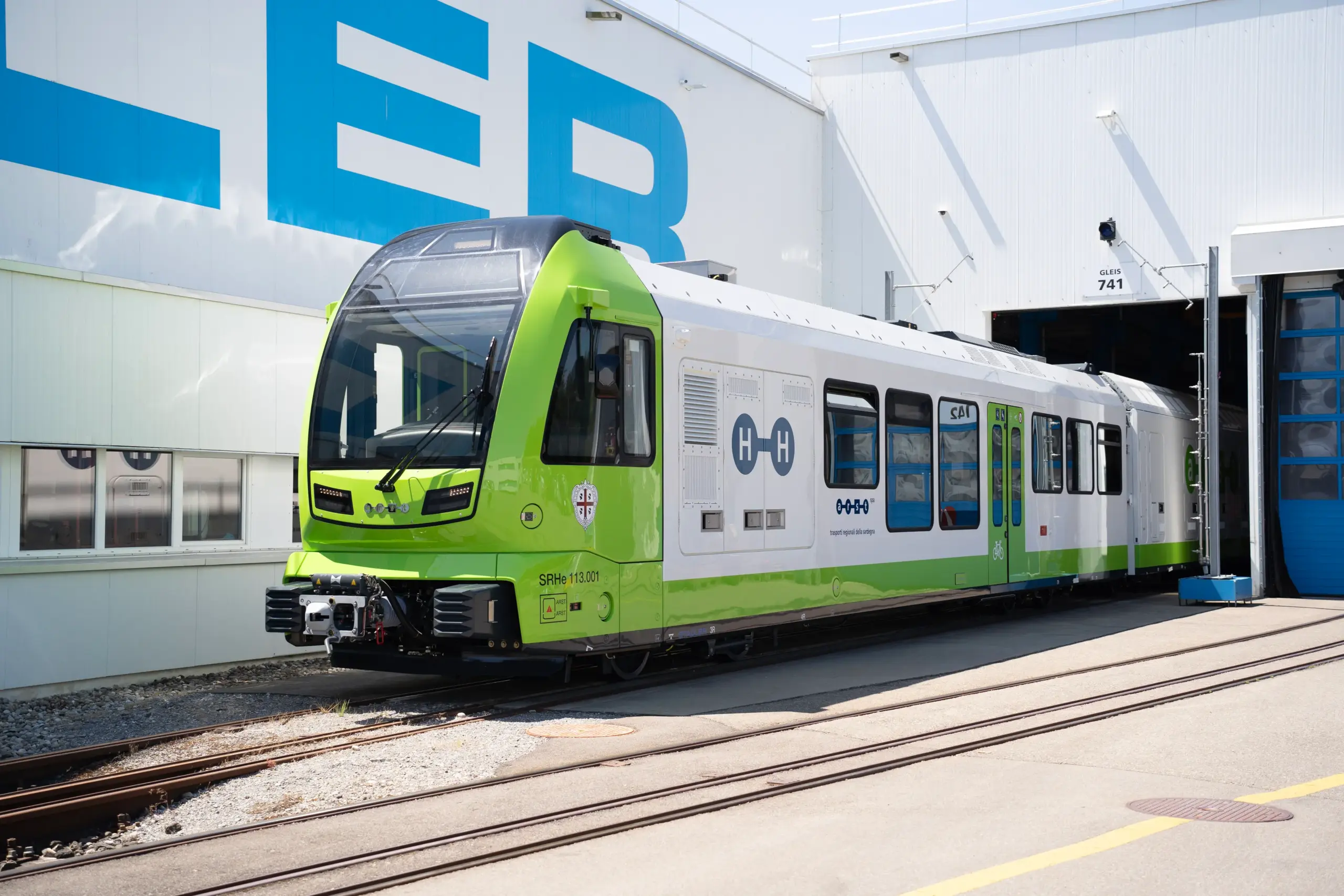
Stadler and ARST unveiled the world’s first hydrogen-powered train for narrow-gauge railways at Stadler’s commissioning centre in Erlen, Switzerland.
Impact
positiveThis development impacts ARST, which will integrate the hydrogen train into its network, and Stadler, enhancing its portfolio in sustainable rail solutions. The introduction of this train aims to reduce carbon emissions in Sardinia's transport sector.
Stadler and Italian transport operator ARST have made a significant advancement in sustainable rail transport by unveiling the world’s first hydrogen-powered train specifically designed for narrow-gauge railways. This innovative train was presented at Stadler’s commissioning centre in Erlen, Switzerland, marking a milestone in the shift towards greener transportation solutions.
The hydrogen train is set to enter passenger service in Sardinia from 2028, where it will operate on ARST’s narrow-gauge network. Key routes include the Alghero Airport–Mamuntanas, Sassari–Alghero, and Sassari–Sorso lines. This initiative aligns with broader European goals to reduce reliance on fossil fuels and lower carbon emissions in public transport.
ARST, as the operator, stands to benefit from this technology by enhancing its service offerings and improving environmental sustainability. The introduction of hydrogen trains could attract more passengers who prioritize eco-friendly travel options. Additionally, this move positions Stadler as a key player in the growing market for hydrogen-powered rail solutions, potentially leading to further contracts in Europe and beyond.
The development of this train not only represents a technological breakthrough but also reflects a growing trend among rail operators to invest in alternative energy sources. As countries across Europe seek to meet stringent environmental targets, the demand for hydrogen trains is likely to increase, providing Stadler with a competitive edge in the rail manufacturing sector.