Steel Mills Scale Back Production Amid Rail Construction Disruptions
Signal
Salzgitter AG and ArcelorMittal have partially scaled back production due to rail freight delivery problems.
Impact
negativeSteel manufacturers face increased operational costs and potential revenue losses, while rail construction companies may experience pressure to expedite projects to restore service reliability.
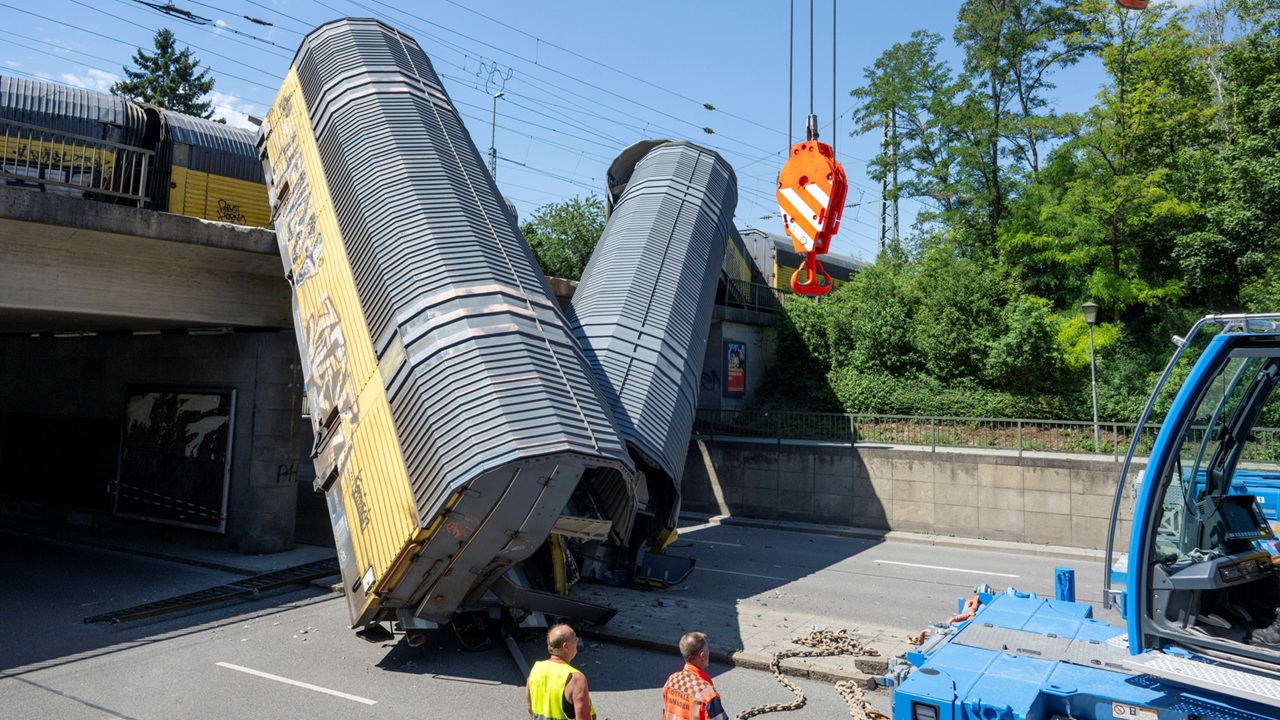
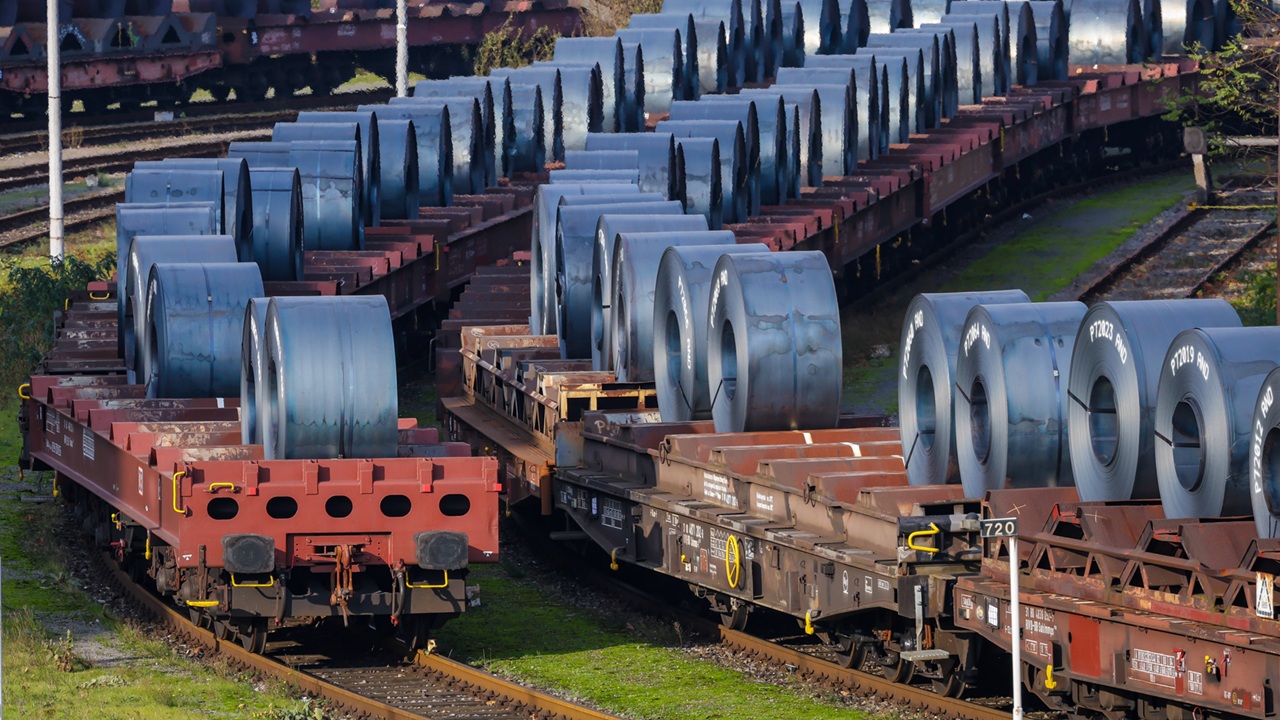
German steel producers are facing significant challenges as ongoing construction projects on major rail lines disrupt freight transport. Salzgitter AG and ArcelorMittal, two of the largest steel manufacturers in Germany, have reported that they are forced to partially reduce their production levels due to these delivery issues. The Süddeutsche Zeitung highlighted that the construction chaos has led to an unreliable rail transport system, which is critical for the timely delivery of raw materials and finished products.
According to industry sources, the disruptions have resulted in delays that impact the supply chain for steel production. Salzgitter AG, based in Salzgitter, has indicated that the construction work on key rail routes has made it increasingly difficult to maintain consistent delivery schedules. Similarly, ArcelorMittal, which operates several plants across Germany, has echoed these concerns, stating that the inefficiencies in rail transport are affecting their operational capabilities.
The implications of these production cuts extend beyond the steel industry. Other sectors that rely on steel, such as automotive and construction, may face delays in their supply chains, potentially leading to increased costs and project timelines. Furthermore, the rail construction companies involved may come under pressure from stakeholders to expedite their projects to alleviate the strain on freight transport.
As the situation develops, it will be crucial for both steel manufacturers and rail operators to find solutions to mitigate these disruptions. The steel industry is a vital component of the German economy, and any prolonged production cuts could have broader economic repercussions.