SUST Final Report on the Collision Between a Road-Rail Excavator and a
Signal
The Swiss Safety Investigation Board published its final report on the St. Gallen collision, attributing the cause to operational errors.
Impact
negativeRail operators and safety regulators must address operational training deficiencies to prevent future incidents, while manufacturers of road-rail equipment may need to enhance safety protocols.
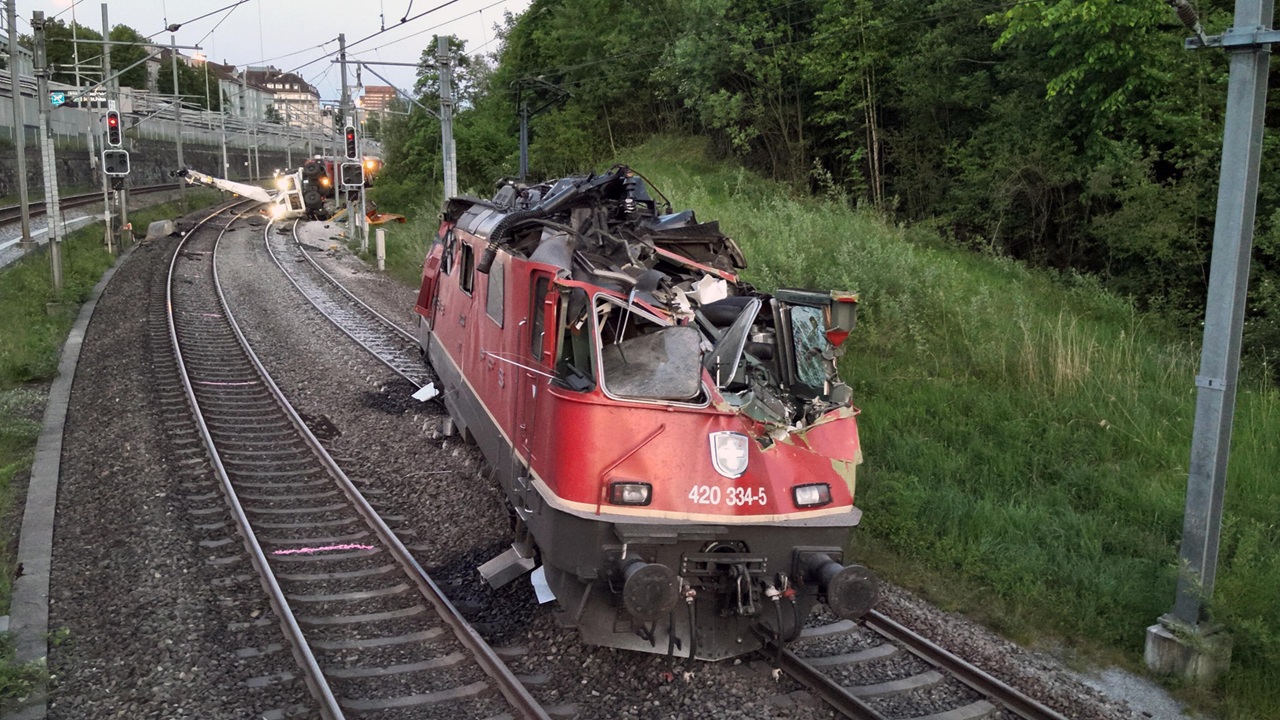
The Swiss Safety Investigation Board (SUST) released its final report on the collision that occurred on June 30, 2022, between a road-rail excavator and a locomotive train in St. Gallen, Switzerland. The investigation revealed that the accident was not due to any technical defects in the equipment but rather resulted from operational errors made by the personnel operating the excavator.
The report highlighted that the operator failed to follow established safety protocols, which led to the excavator being in the path of the oncoming train. This incident resulted in significant damage to the train and the excavator, as well as injuries to the operator of the excavator.
As a consequence of these findings, the SUST has recommended that rail operators enhance their training programs for personnel operating road-rail machinery. This recommendation directly impacts rail operators who must now reassess their training protocols to ensure compliance with safety standards. Additionally, manufacturers of road-rail equipment may need to consider implementing more robust safety features to prevent similar operational errors in the future.
The report serves as a critical reminder of the importance of operational discipline in rail safety. The SUST's findings emphasize that even with well-engineered equipment, human error can lead to catastrophic outcomes. Stakeholders in the rail industry, including safety regulators and equipment manufacturers, must take these findings seriously to mitigate risks associated with operational errors.