InfrastructureGBJune 21, 2026Score: 9/10PRO
Train Accident in England: How Did the Collision Happen?
Signal
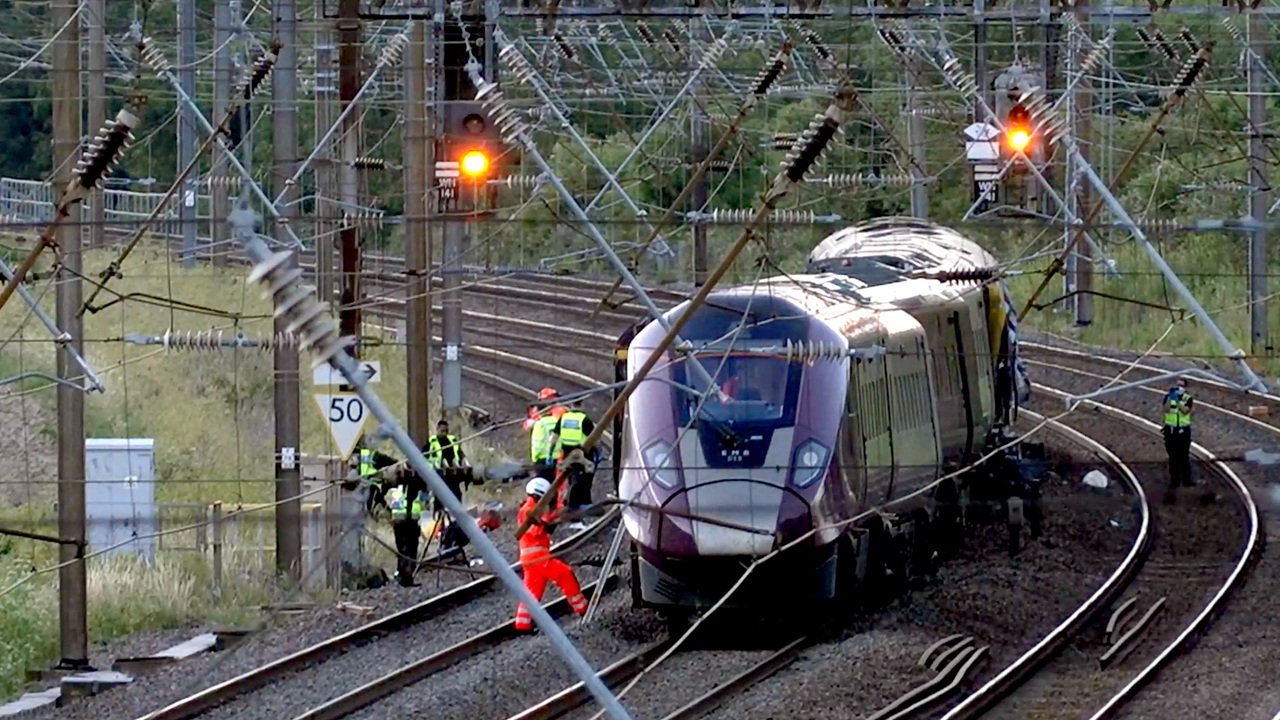
Two trains collided north of London on Friday, resulting in one death and multiple injuries during rush hour.
Impact
negativeThe incident affects train operators and emergency services, leading to increased scrutiny on safety protocols and potential regulatory changes in the rail industry.
On Friday, a tragic collision between two trains occurred north of London during the busy rush hour, resulting in one fatality and numerous injuries, some of which are serious. The British Transport Police confirmed the death and reported that emergency services responded promptly to the scene. The incident has raised significant concerns regarding rail safety, particularly during peak travel times when passenger volumes are high.
The collision has prompted an immediate investigation by the Rail Accident Investigation Branch (RAIB), which will examine the circumstances surrounding the crash. Initial reports indicate that the collision happened around 8:00 AM, a critical time for commuters. The investigation will likely focus on factors such as signaling failures, human error, and the condition of the trains involved.
Train operators, including Network Rail and the affected train companies, face increased pressure to ensure safety measures are robust. This incident may lead to a review of current safety protocols and operational procedures to prevent similar occurrences in the future. The impact on passenger confidence in rail travel could be significant, especially as the UK rail network has been under scrutiny for delays and service reliability issues in recent years.
Emergency services reported treating dozens of passengers at the scene, with some requiring hospitalization. The local community is rallying to support those affected, and a helpline has been established for families seeking information about their loved ones.
As the investigation unfolds, stakeholders in the rail industry, including government regulators and safety advocates, will closely monitor the findings. The outcome may influence future regulations and operational standards across the UK rail network, emphasizing the need for stringent safety measures to protect passengers.
In conclusion, this tragic event not only highlights the immediate human cost but also poses broader implications for the rail industry in terms of safety, regulatory scrutiny, and public confidence in rail travel.