Why Rail Workbank Planning Outgrows Spreadsheets
Signal
Rail workbank planning often fails due to fragmented processes and multiple versions of data.
Impact
negativeRail operators and project managers face inefficiencies, leading to increased costs and project delays.
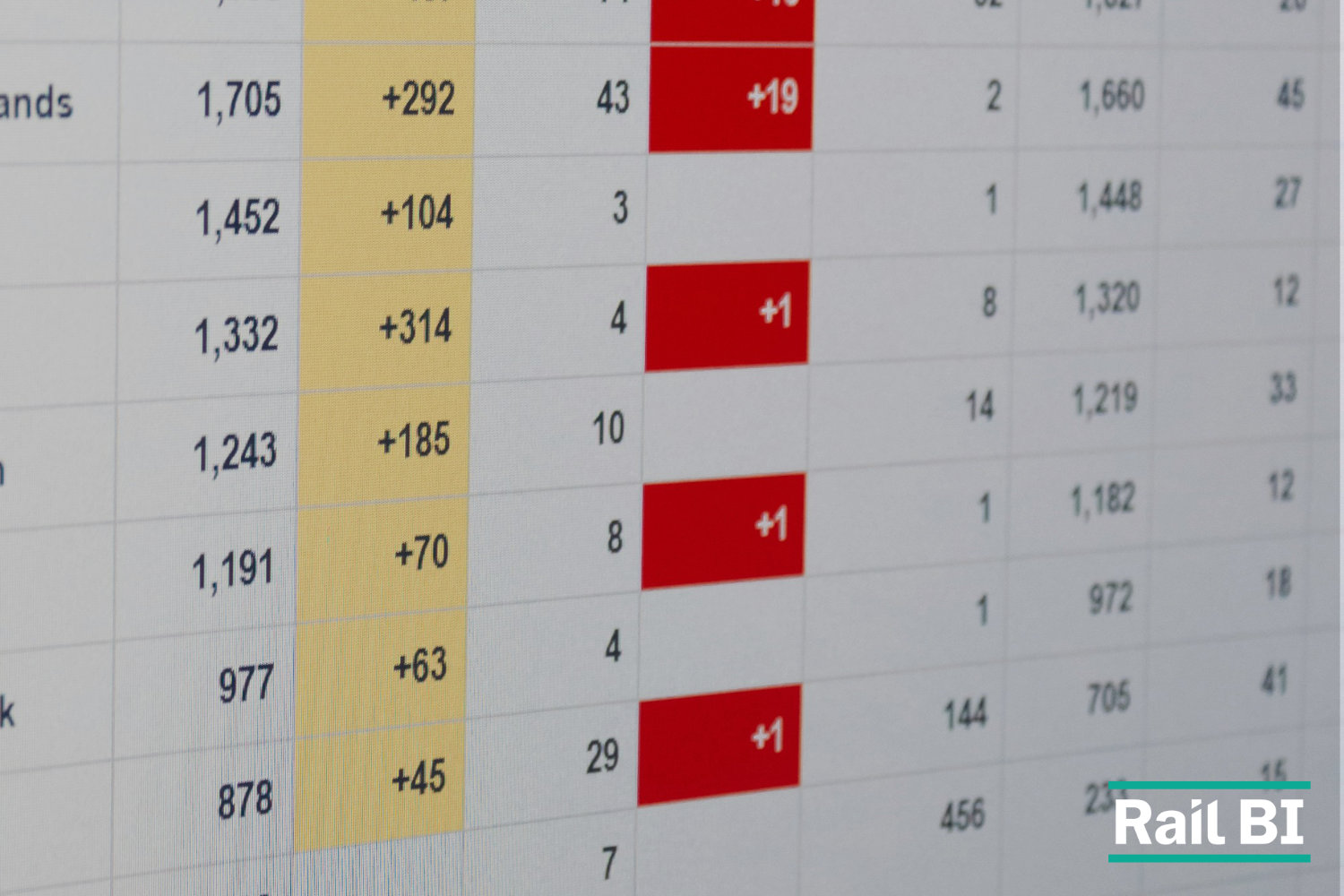
Rail workbank planning is increasingly challenged by the limitations of traditional spreadsheet systems. Teams often manage various aspects of planning across multiple files, leading to confusion and inefficiencies. For instance, one spreadsheet may contain asset data, while another tracks cost updates, and yet another holds intervention assumptions. This fragmentation creates a scenario where different team members work with different versions of the same data, resulting in inconsistencies and errors.
The reliance on spreadsheets can lead to significant operational inefficiencies. Rail operators, such as Deutsche Bahn and Network Rail, may find that the time spent reconciling data across these disparate systems detracts from their ability to focus on strategic planning and execution. As a result, project managers may face increased costs and delays, impacting overall project timelines.
Moreover, the complexity of managing multiple spreadsheets can lead to a lack of accountability. When data is spread across various files, it becomes challenging to pinpoint responsibility for errors or miscommunications. This lack of clarity can further exacerbate delays and increase the risk of project overruns.
To address these challenges, many rail companies are exploring integrated planning solutions that consolidate data into a single platform. These solutions aim to streamline the planning process, reduce the number of handoffs, and provide a unified version of the truth. By adopting such technologies, rail operators can enhance collaboration among teams, improve data accuracy, and ultimately drive more efficient project delivery.
In conclusion, as the rail industry continues to evolve, the limitations of spreadsheet-based planning become increasingly apparent. Companies that fail to adapt may find themselves at a competitive disadvantage, facing higher costs and longer project timelines.