World Cup Generates Historic Ridership Numbers Across North America
Signal
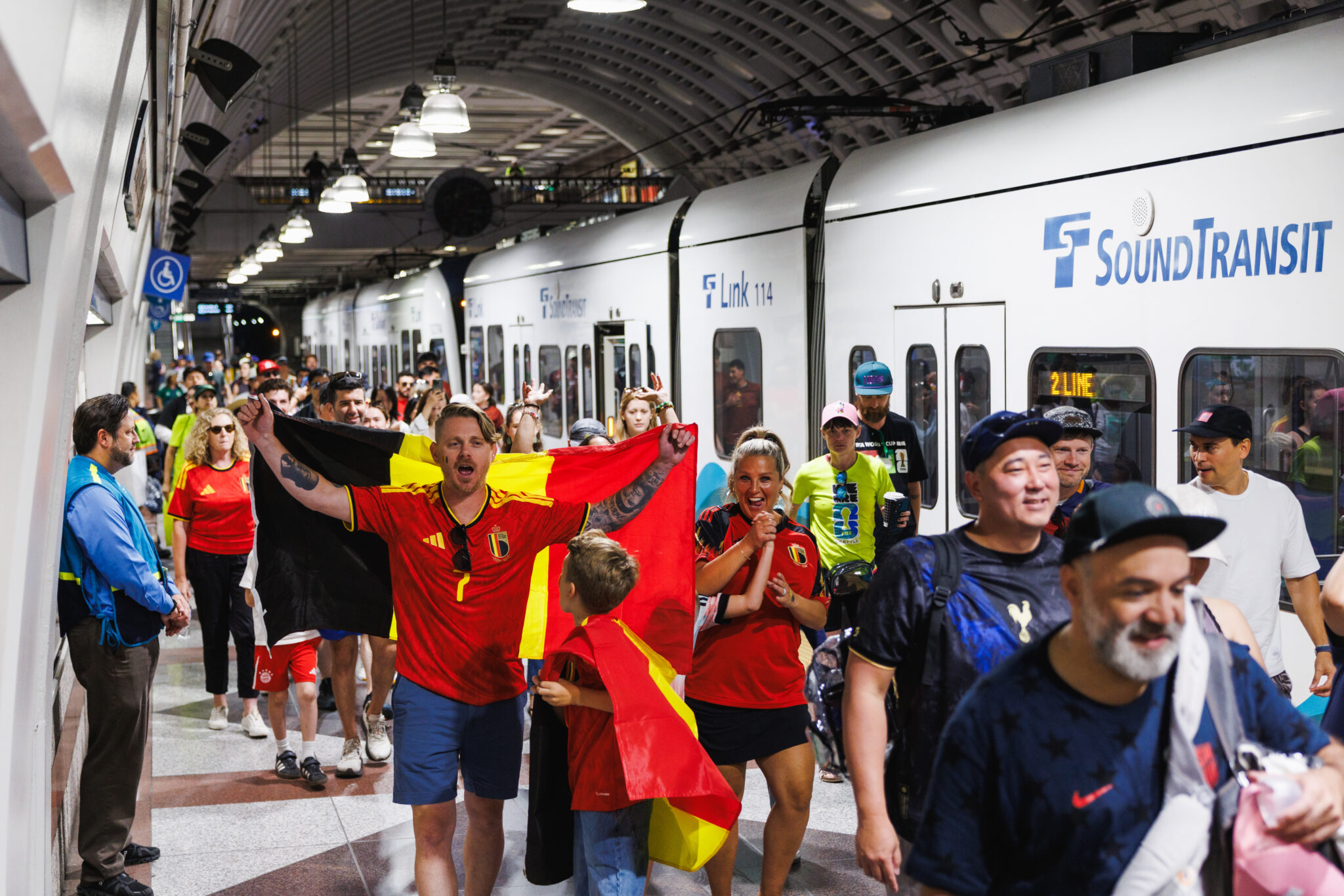
On June 15, 2026, approximately 210,000 passengers boarded Sound Transit’s Link light rail for the Egypt vs. Belgium match in Seattle.
Impact
positivePublic transport agencies, including Sound Transit and local governments, benefit from increased revenue and heightened visibility during the World Cup, while fans experience improved access to events.
The 2026 FIFA World Cup is proving to be a boon for public transportation systems across North America, with agencies reporting unprecedented ridership numbers. On June 15, 2026, Sound Transit recorded approximately 210,000 passengers using its Link light rail service to reach Seattle Stadium for the Egypt vs. Belgium match. This surge in ridership highlights the event's ability to draw large crowds and the effectiveness of public transport in managing the influx of fans.
In addition to Sound Transit, other transit agencies are also experiencing significant increases in ridership. For instance, the Washington Metropolitan Area Transit Authority (WMATA) reported a 30% increase in Metro ridership during the World Cup matches held in the D.C. area. This uptick not only reflects the popularity of the event but also the strategic planning by transit authorities to accommodate the expected crowds.
Local governments are likely to see a boost in revenue from increased fare collections, while also benefiting from the heightened visibility that comes with hosting such a high-profile event. The World Cup serves as a platform for showcasing the efficiency and reliability of public transport systems, potentially leading to long-term increases in ridership even after the event concludes.
Moreover, the event has prompted transit agencies to enhance their services, including extended operating hours and additional trains to meet demand. This proactive approach not only improves the fan experience but also sets a precedent for future large-scale events, encouraging more people to utilize public transport.
As the World Cup progresses, agencies will continue to monitor ridership trends and adjust their services accordingly, ensuring that they can effectively manage the transportation needs of fans and visitors alike.