£20 Million Upgrade Begins on Scotland’s First Electrified Railway
Signal
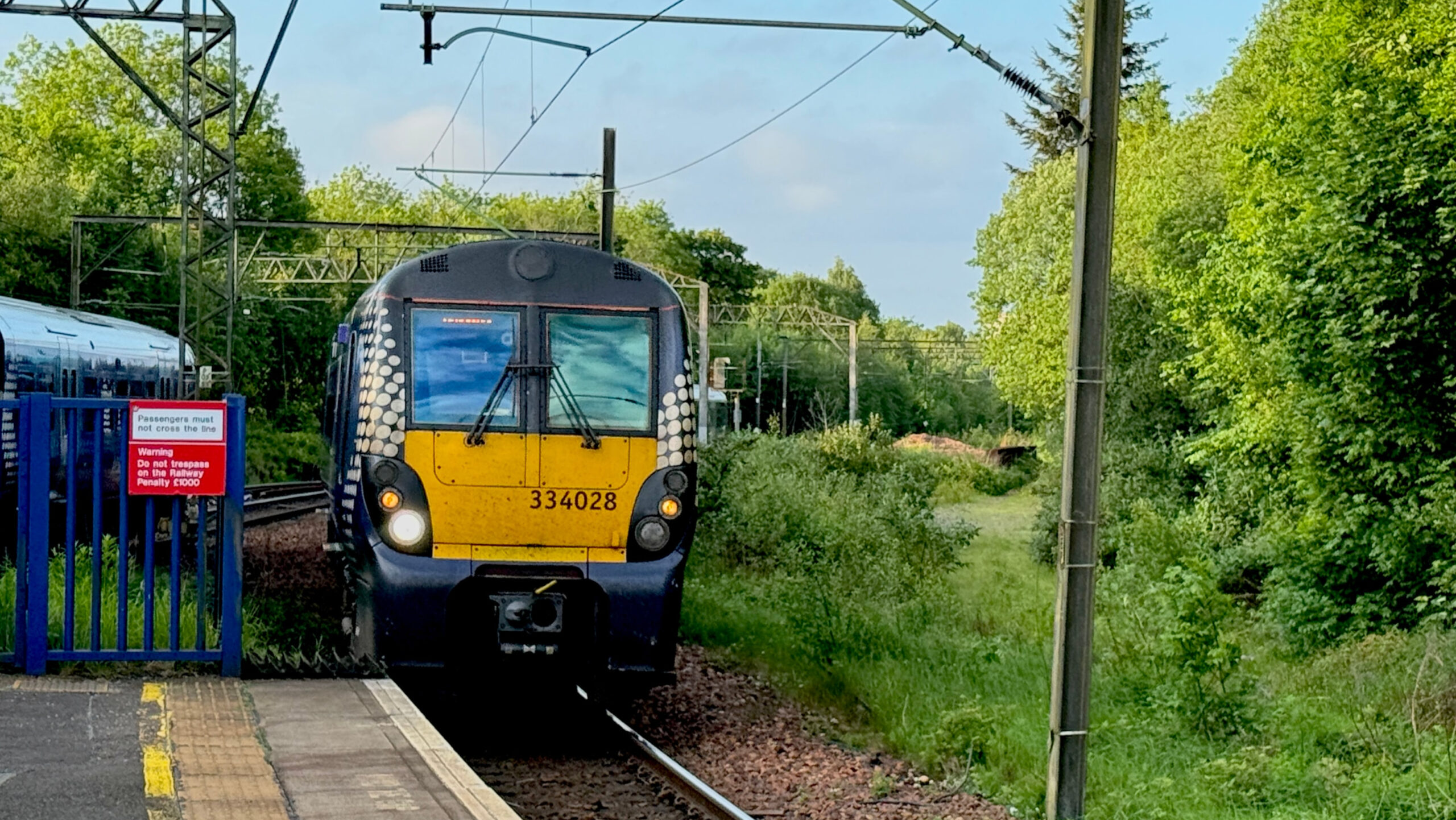
A £20 million project to upgrade overhead power lines on Scotland’s first electrified railway has officially begun.
Impact
positiveThe upgrade will benefit commuters using the North Clyde lines, which serve as the busiest suburban network outside London, and improve operational efficiency for ScotRail.
The £20 million upgrade project on Scotland’s first electrified railway marks a significant investment in the North Clyde lines, which connect Helensburgh, Balloch, and Milngavie to Glasgow. This network is crucial for daily commuters, being the busiest suburban rail system outside of London.
ScotRail, the operator of these lines, will oversee the upgrade, which aims to enhance the reliability and efficiency of the overhead power lines. The project is expected to improve service frequency and reduce delays, directly benefiting thousands of daily passengers.
As the upgrade progresses, ScotRail will likely implement measures to minimize disruptions to service. This proactive approach is essential given the high volume of commuters who rely on these routes for travel to and from Glasgow.
In addition to improving passenger experience, the upgrade aligns with broader sustainability goals by enhancing the electrification of rail services in Scotland. Electrified lines are generally more efficient and environmentally friendly compared to diesel alternatives, contributing to Scotland's commitment to reducing carbon emissions.
Local businesses in the vicinity of the North Clyde lines may also experience a positive impact as improved rail services can lead to increased foot traffic and accessibility. The upgrade could stimulate economic activity in areas surrounding the stations.