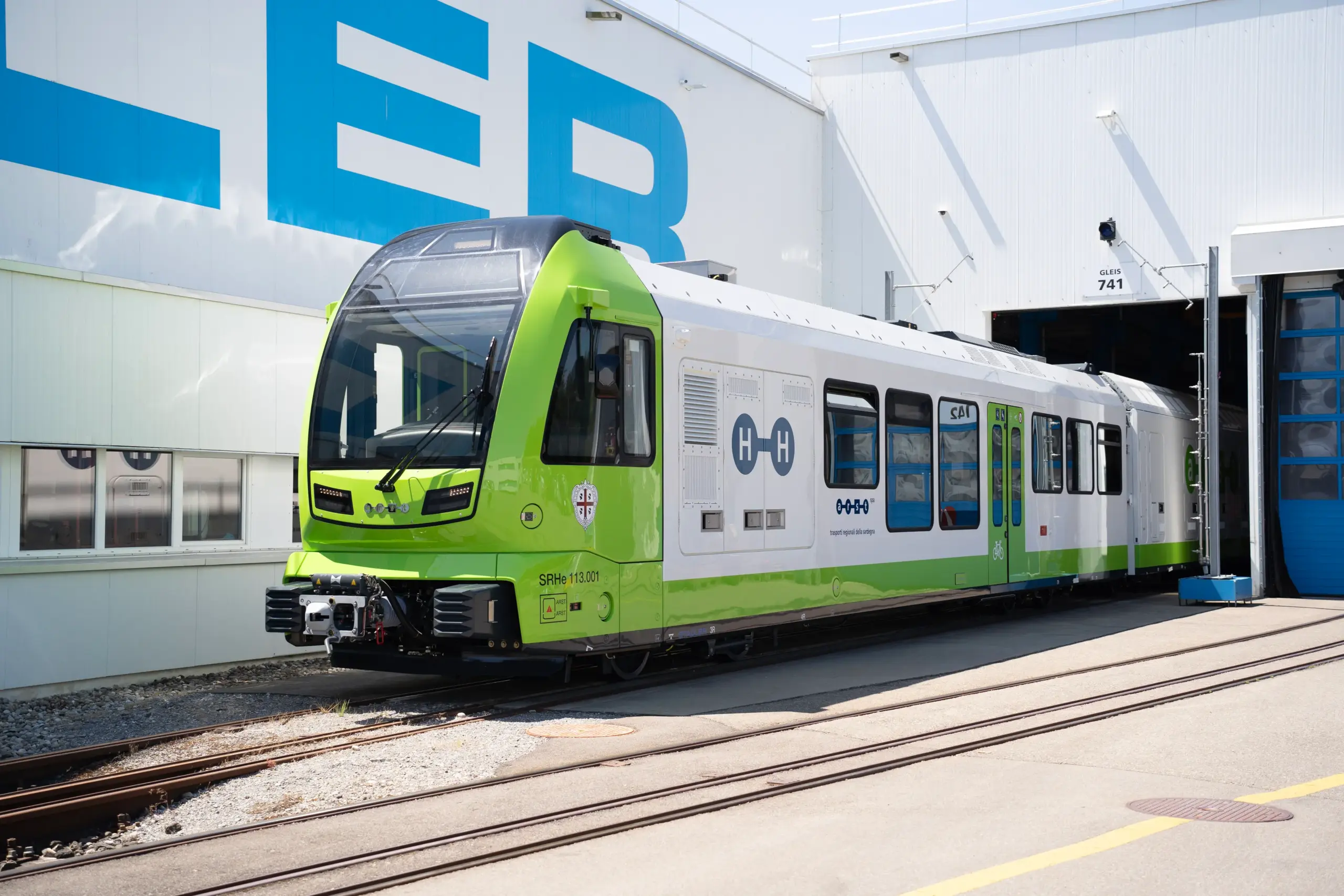

American Railways Cannot Boast About Sustainability
European rail freight operators often view their American counterparts with envy, particularly regarding sustainability practices. Despite operating larger and heavier trains, U.S. railways face significant challenges in achieving environmental goals.
According to the Association of American Railroads (AAR), U.S. freight railroads moved 1.9 billion tons of freight in 2022, a substantial volume that underscores the industry’s importance. However, the environmental impact of this freight movement raises concerns. The U.S. rail system is heavily reliant on diesel locomotives, which contribute to greenhouse gas emissions.
In contrast, European railways have made significant strides in sustainability. The European Union has set ambitious targets for reducing carbon emissions, and many rail operators are transitioning to electric trains. For instance, in 2021, approximately 60% of rail traffic in Europe was powered by electricity, compared to only 30% in the U.S.
Moreover, European rail networks are increasingly investing in renewable energy sources. Countries like Germany and the Netherlands are leading the way by integrating wind and solar power into their rail systems. This shift not only reduces emissions but also enhances energy security.
In the U.S., while some rail companies are exploring alternative fuels and technologies, progress has been slow. For example, Union Pacific has announced plans to test hydrogen-powered locomotives, but widespread adoption remains uncertain. The lack of a cohesive national strategy for sustainable rail transport further complicates efforts.
Additionally, the regulatory environment in the U.S. does not incentivize sustainability to the same extent as in Europe. European rail operators benefit from government policies that promote green transport, while U.S. railroads often operate under a more fragmented regulatory framework.
In conclusion, while American railways play a crucial role in freight transportation, they lag behind their European counterparts in sustainability efforts. The reliance on diesel, slower adoption of electric and alternative fuel technologies, and a less supportive regulatory environment hinder progress. As global pressure to reduce carbon emissions intensifies, U.S. railroads may need to reevaluate their strategies to remain competitive and environmentally responsible.
source: railfreight.com