
American Railways Lag in Sustainability Compared to Europe
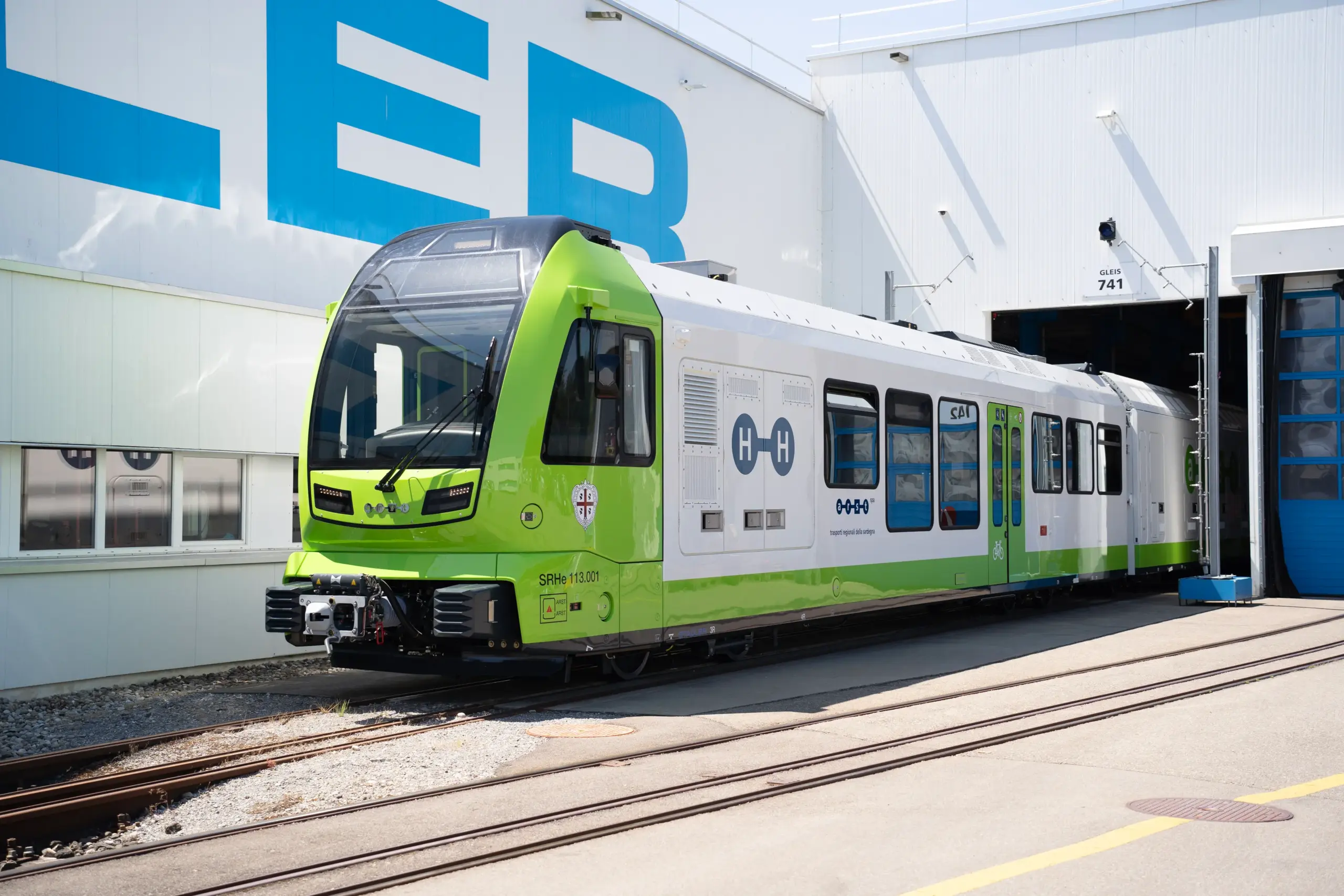
The sustainability gap between European and American railways has become increasingly evident, particularly in the context of freight operations. European rail freight operators have invested heavily in electrification and green technologies, which have significantly reduced their carbon footprints. In contrast, American railways, while operating larger and heavier trains, have not made similar strides in sustainability. This disparity raises questions about the long-term viability of U.S. railways in an eco-conscious market.
In Europe, the rail sector has embraced sustainability as a core principle, with many countries implementing policies to promote electrification and the use of renewable energy sources. For instance, countries like Germany and France have made substantial investments in high-speed rail and electrified networks, which not only enhance efficiency but also reduce greenhouse gas emissions. The European Union has set ambitious targets for reducing carbon emissions, further incentivizing rail operators to adopt sustainable practices.
Conversely, American railways have been slower to adopt electrification and green technologies. The reliance on diesel locomotives remains prevalent, contributing to higher carbon emissions compared to their European counterparts. While some U.S. rail operators have begun exploring alternative fuels and energy-efficient technologies, the pace of change has been sluggish. This lag in sustainability initiatives could hinder the competitiveness of American railways, especially as global pressure mounts for industries to reduce their environmental impact.
One of the key challenges facing American railways is the regulatory environment. Unlike Europe, where stringent environmental regulations drive innovation and investment in sustainable technologies, the U.S. has a more fragmented regulatory landscape. This can lead to inconsistencies in sustainability practices across different states and rail operators, making it difficult to implement a cohesive strategy for reducing carbon emissions.
Moreover, the financial implications of transitioning to greener technologies cannot be overlooked. European rail operators have benefitted from government subsidies and incentives aimed at promoting sustainability, which have facilitated investments in electrification and renewable energy. In contrast, American railways may face significant upfront costs associated with upgrading infrastructure and rolling stock to meet sustainability goals. This financial burden could deter some operators from pursuing necessary changes, further widening the gap between the two regions.
What remains unclear is the timeline for American railways to catch up with their European counterparts in sustainability. Key information is missing regarding specific investments, timelines for electrification projects, and the adoption of alternative fuels. Without a clear roadmap, it is challenging to assess how quickly U.S. railways can improve their sustainability practices.
Looking ahead, the outlook for American railways will depend on several factors. Increased regulatory pressure and public demand for greener transportation options may push U.S. rail operators to accelerate their sustainability initiatives. Additionally, partnerships with technology providers and investment in research and development could play a crucial role in advancing sustainable practices within the industry. However, until American railways can match the investments and innovations seen in Europe, they will likely continue to lag in sustainability.