Battery-powered trains are set to replace diesel trains in Saxony-Anha
Signal
NASA's study reveals battery-powered trains are the most cost-effective solution for regional routes in Saxony-Anhalt.
Impact
positiveLocal transport authorities and regional travelers will benefit from reduced operational costs and improved environmental sustainability as battery trains replace diesel models.
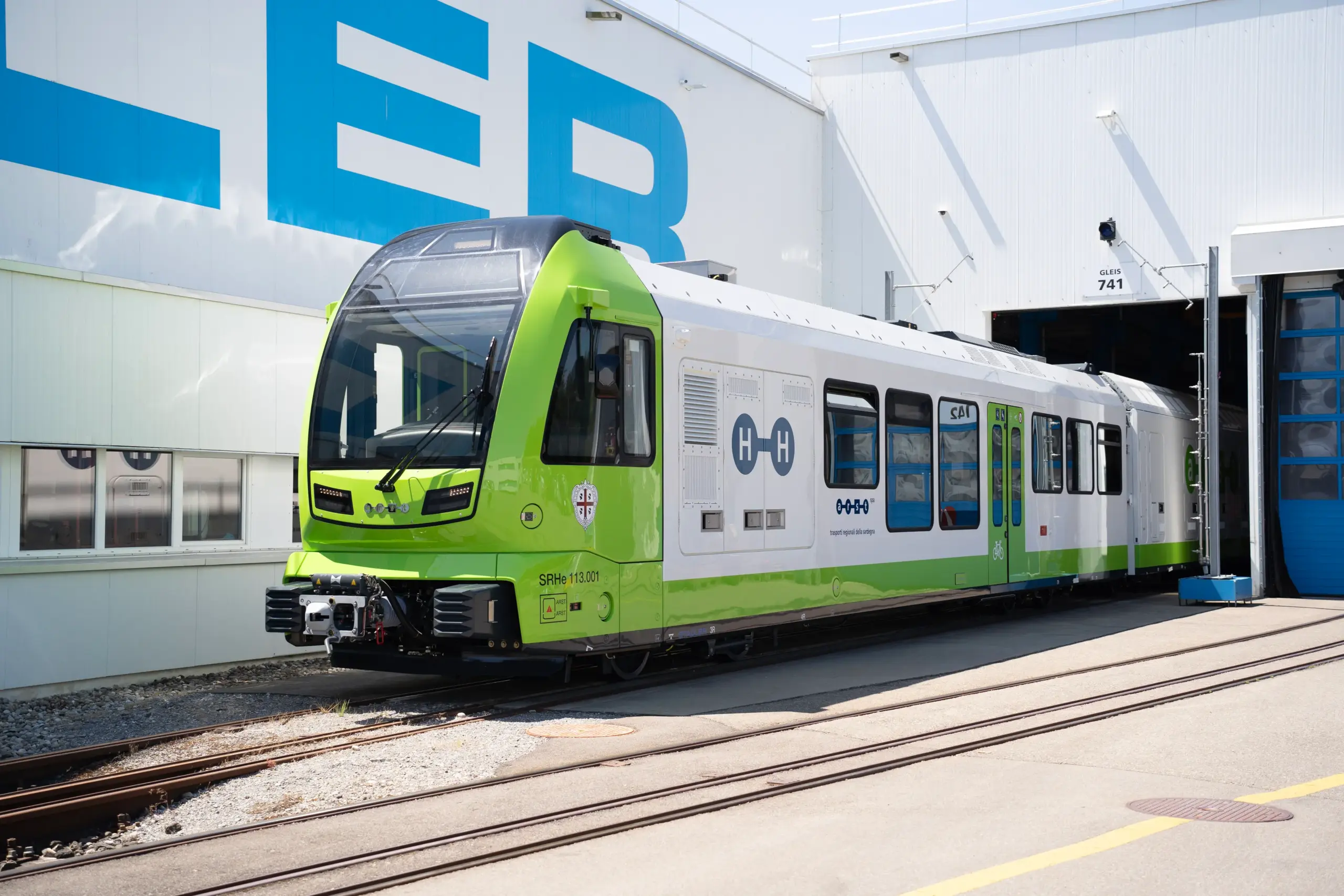
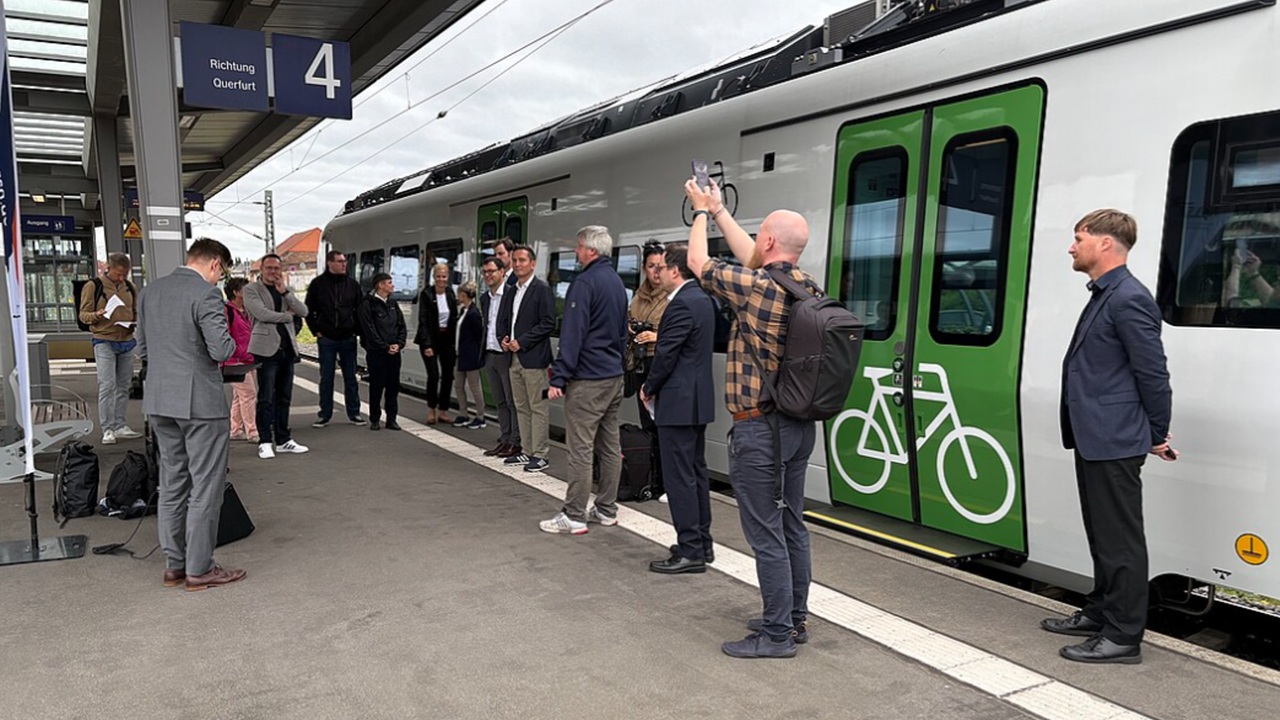
The Saxony-Anhalt Local Transport Service (NASA) has commissioned a study that identifies battery-powered trains as the most cost-effective solution for regional rail routes in the state. This shift marks a significant transition in the region's approach to sustainable transportation, as local authorities aim to reduce reliance on diesel trains.
The study outlines that battery-powered trains will not only lower operational costs but also contribute to environmental goals by reducing carbon emissions. As regional travelers increasingly opt for these cleaner alternatives, the local government anticipates a shift in public perception regarding rail travel.
NASA's findings suggest that battery trains could be deployed on numerous routes, enhancing service reliability and frequency. This transition aligns with broader European Union initiatives aimed at promoting greener transport solutions across member states.
Stakeholders such as local transport authorities and environmental groups will likely support this initiative, as it promises to improve air quality and reduce noise pollution associated with diesel engines. Additionally, the move may attract more passengers to rail services, boosting local economies.
As Saxony-Anhalt prepares for this transition, the implications for train manufacturers and technology providers are significant. Companies specializing in battery technology and rail infrastructure will need to adapt to meet the growing demand for battery-powered trains.