Costs for the Fehmarn Belt railway line are rising significantly
Signal
The construction costs for the Fehmarn Belt Tunnel connection are rising significantly, impacting taxpayers in Schleswig-Holstein.
Impact
negativeTaxpayers in Schleswig-Holstein and Danish authorities face increased financial burdens due to rising construction costs, potentially delaying the project's completion timeline.
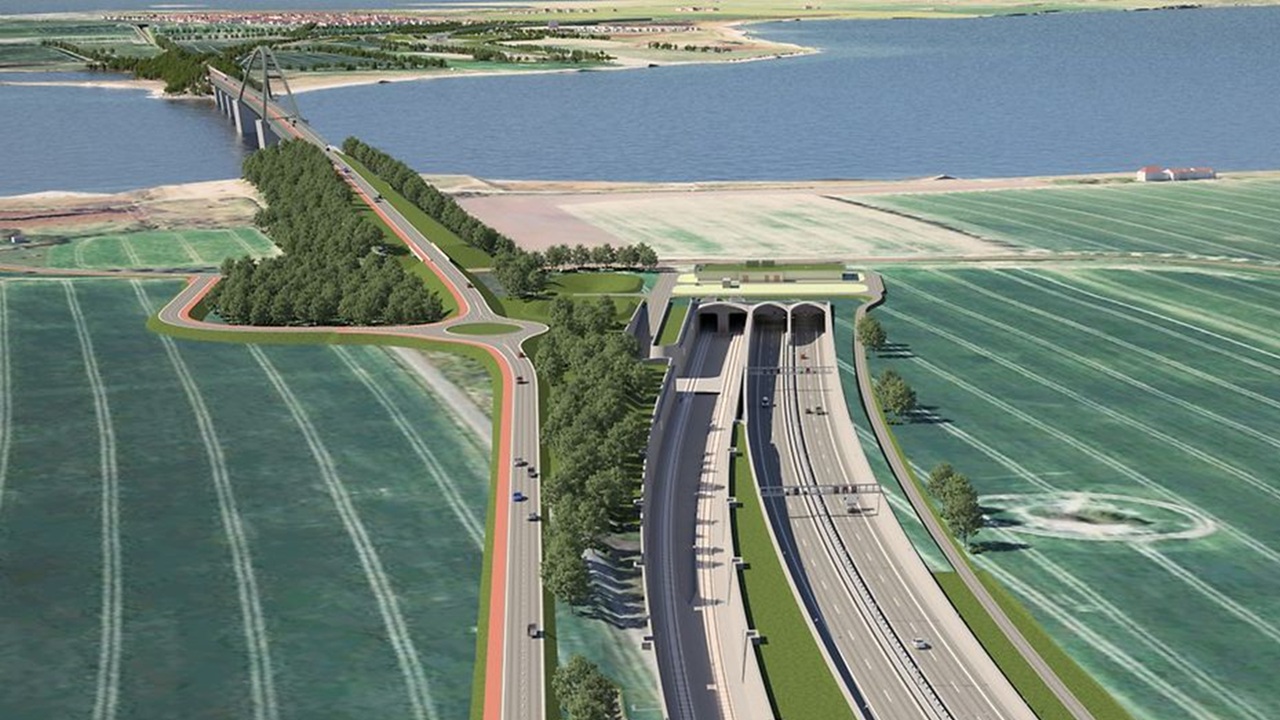
The Fehmarn Belt Tunnel project, which aims to connect Germany and Denmark via a railway line under the Baltic Sea, is experiencing significant cost overruns and delays. Schleswig-Holstein’s Minister of Economic Affairs, Klaus Schmidt, confirmed that the expenses associated with the hinterland connection between Fehmarn and Lolland are escalating beyond initial estimates. This situation raises concerns for local taxpayers who will bear the financial burden of these increased costs.
As of now, the exact figures regarding the cost increases have not been disclosed, but the implications for both German and Danish stakeholders are clear. The project, which is crucial for enhancing rail connectivity in Northern Europe, may face further scrutiny from both governments as they assess the financial viability and timeline of the construction.
In addition to the financial implications, the delays could impact freight and passenger services that rely on this connection. The Fehmarn Belt Tunnel is expected to facilitate smoother transport routes, but rising costs and extended timelines could hinder the anticipated benefits for logistics companies and commuters alike.
Both the German and Danish governments have expressed their commitment to the project, but the increasing costs may lead to a reevaluation of funding strategies and project management approaches. Stakeholders, including local businesses and transport operators, will need to adapt to the evolving situation as the project progresses.