DB InfraGO warns of special rules for Italo on long-distance routes
Signal
Philipp Nagl warns against granting legally uncertain special terms to Italo in the German long-distance rail market starting in 2028.
Impact
negativeDB InfraGO's concerns affect German rail operators and Italo, potentially leading to legal disputes and impacting competitive dynamics in the market.
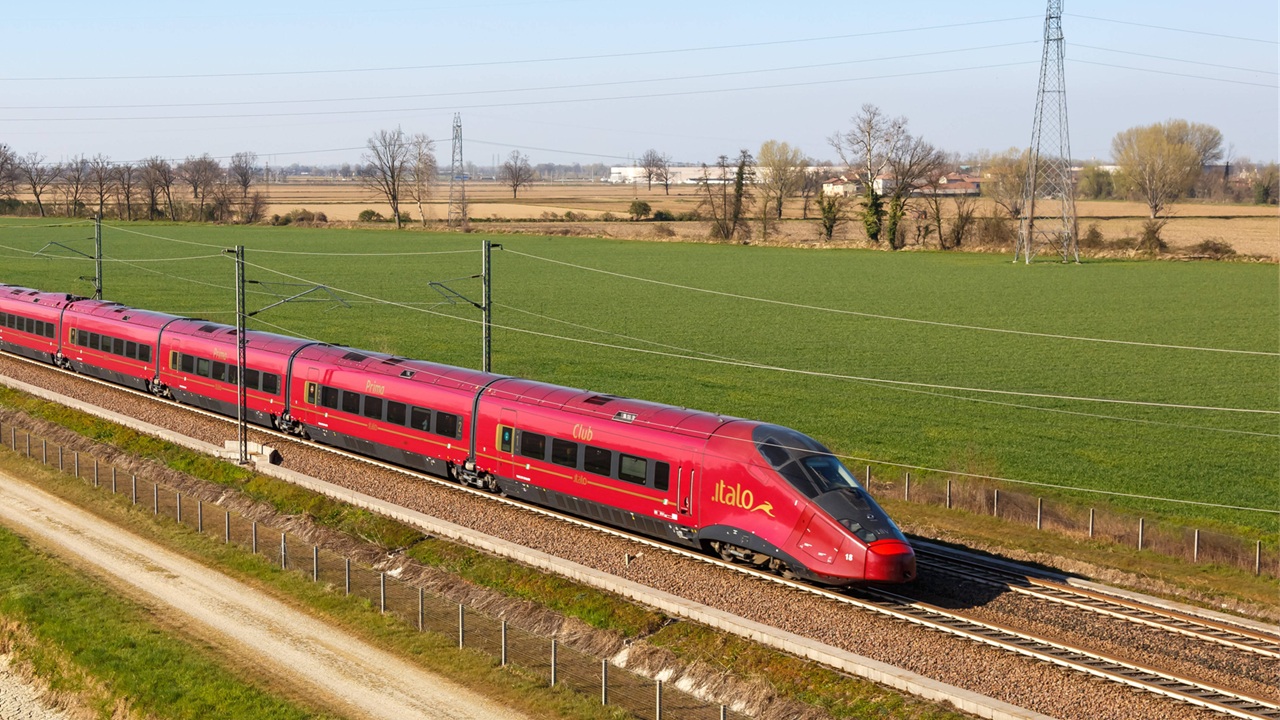
Philipp Nagl, the head of DB InfraGO, has raised significant concerns regarding the potential granting of special terms to the Italian rail operator Italo for its entry into the German long-distance rail market in 2028. Nagl's warning highlights the legal uncertainties surrounding such special terms and the implications they may have on competition within the sector.
Italo, which has been expanding its operations beyond Italy, aims to establish a foothold in Germany's lucrative long-distance rail market. However, Nagl argues that providing Italo with preferential treatment could distort competition, disadvantaging existing operators like Deutsche Bahn (DB) and other regional players. The German rail market has been characterized by intense competition, and any perceived favoritism towards Italo could lead to legal challenges from domestic operators.
DB InfraGO's position reflects a broader concern among German rail operators about maintaining a level playing field. The potential for legal action arises from the European Union's regulations on competition, which mandate fair access to markets for all operators. If Italo receives special terms that are not available to other competitors, it could trigger complaints and lawsuits from established companies, further complicating the regulatory landscape.
Nagl's comments come at a critical time as the European rail market continues to evolve, with various operators seeking to expand their services across borders. The introduction of Italo into the German market could bring additional competition, but it must be managed carefully to avoid legal pitfalls. The implications of this situation extend beyond just Italo and DB; they affect the entire landscape of rail transport in Germany.
As the 2028 deadline approaches, stakeholders in the German rail industry, including policymakers, existing operators, and potential new entrants, will need to navigate these complexities. The outcome of this situation could set a precedent for how new entrants are treated in established markets, influencing future competition and investment in the rail sector.