Demagnetised by Design
Signal
Christian Spiess emphasizes the need for controlled magnetism in rail production to enhance welding and train protection systems.
Impact
positiveRail manufacturers and urban transit authorities must adapt production processes to improve rail quality, potentially increasing operational reliability and safety.
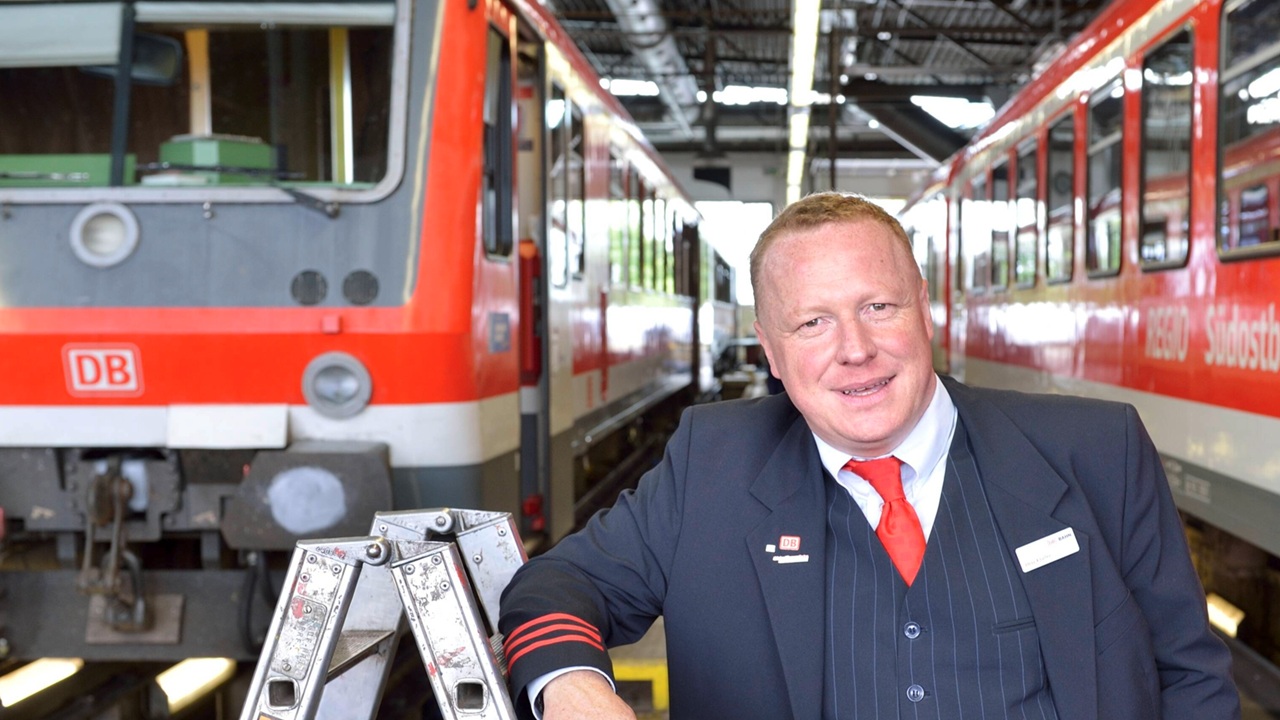
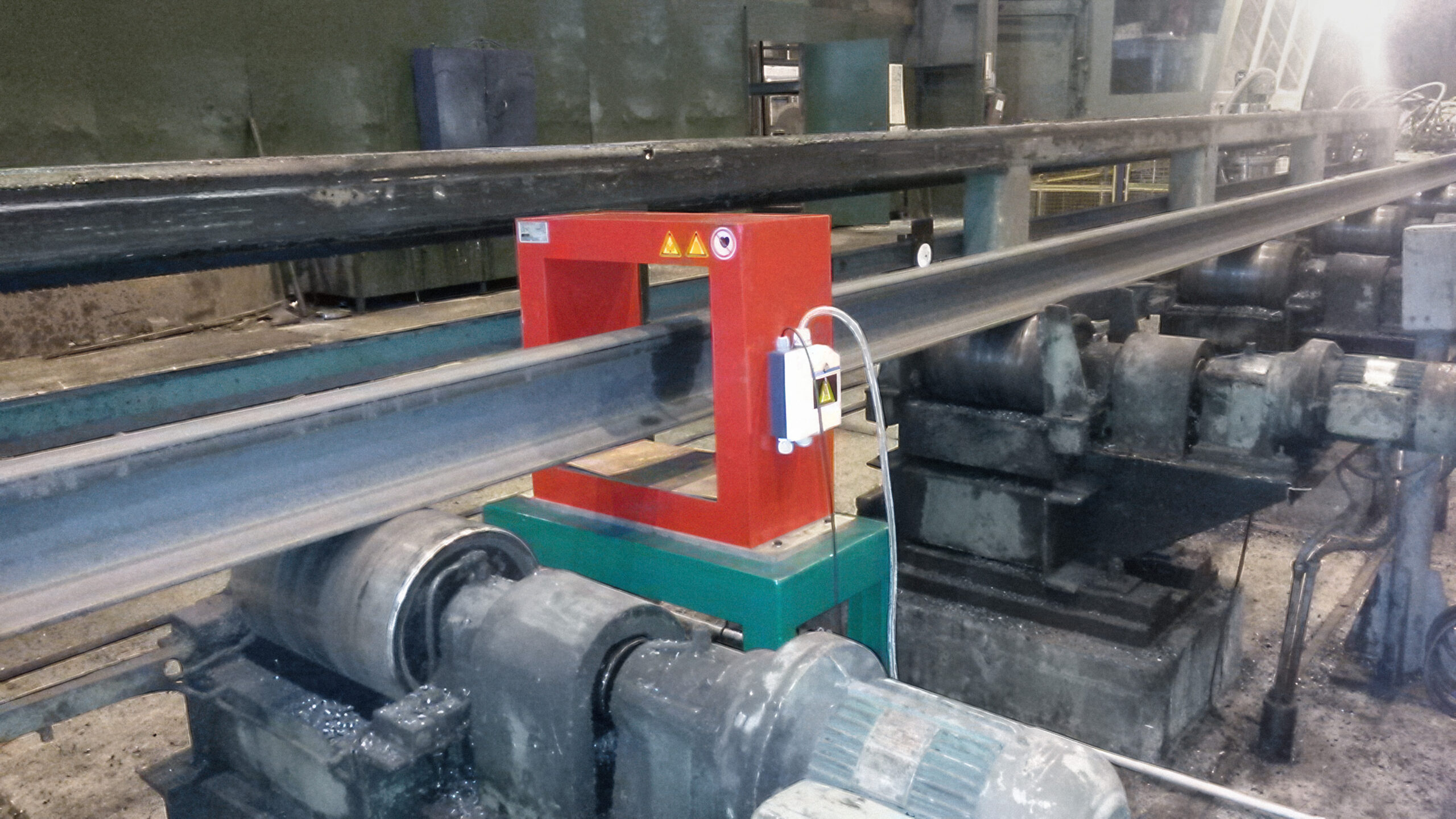
Christian Spiess, Chief Operating Officer of Maurer Magnetic, highlights a critical yet often overlooked aspect of rail procurement: magnetism. While rail quality assessments typically focus on dimensional tolerances, surface conditions, and mechanical performance, the magnetic properties of steel rails can significantly impact operational efficiency. This is particularly relevant for rail welding, train protection systems, and urban switch operations.
Manufacturers face increasing pressure to enhance the quality of their steel rails. The introduction of controlled production processes that account for magnetism can lead to cleaner welds, ensuring that rail joints are robust and reliable. This is crucial as any failure in the welding process can lead to severe operational disruptions, including derailments or system failures.
Moreover, train protection systems, which rely on precise magnetic readings to function correctly, can be adversely affected by unwanted magnetism. If the rails are not demagnetised properly, these systems may fail to respond as intended, posing safety risks to passengers and freight operations alike.
Urban transit authorities, which depend on the seamless operation of switches, also stand to benefit from improved rail magnetism control. Urban switches must operate flawlessly to maintain the flow of traffic in busy metropolitan areas. Any malfunction can lead to delays, increased operational costs, and a negative impact on commuter satisfaction.
As the rail industry continues to evolve, the focus on magnetism in rail production could become a standard practice. This shift may require manufacturers to invest in new technologies and processes that ensure their products meet the stringent demands of modern rail systems. The potential for enhanced safety and reliability presents a compelling case for the adoption of these practices across the industry.