Deutsche Bahn Equips One-Third of Customer Service Representatives wit
Signal
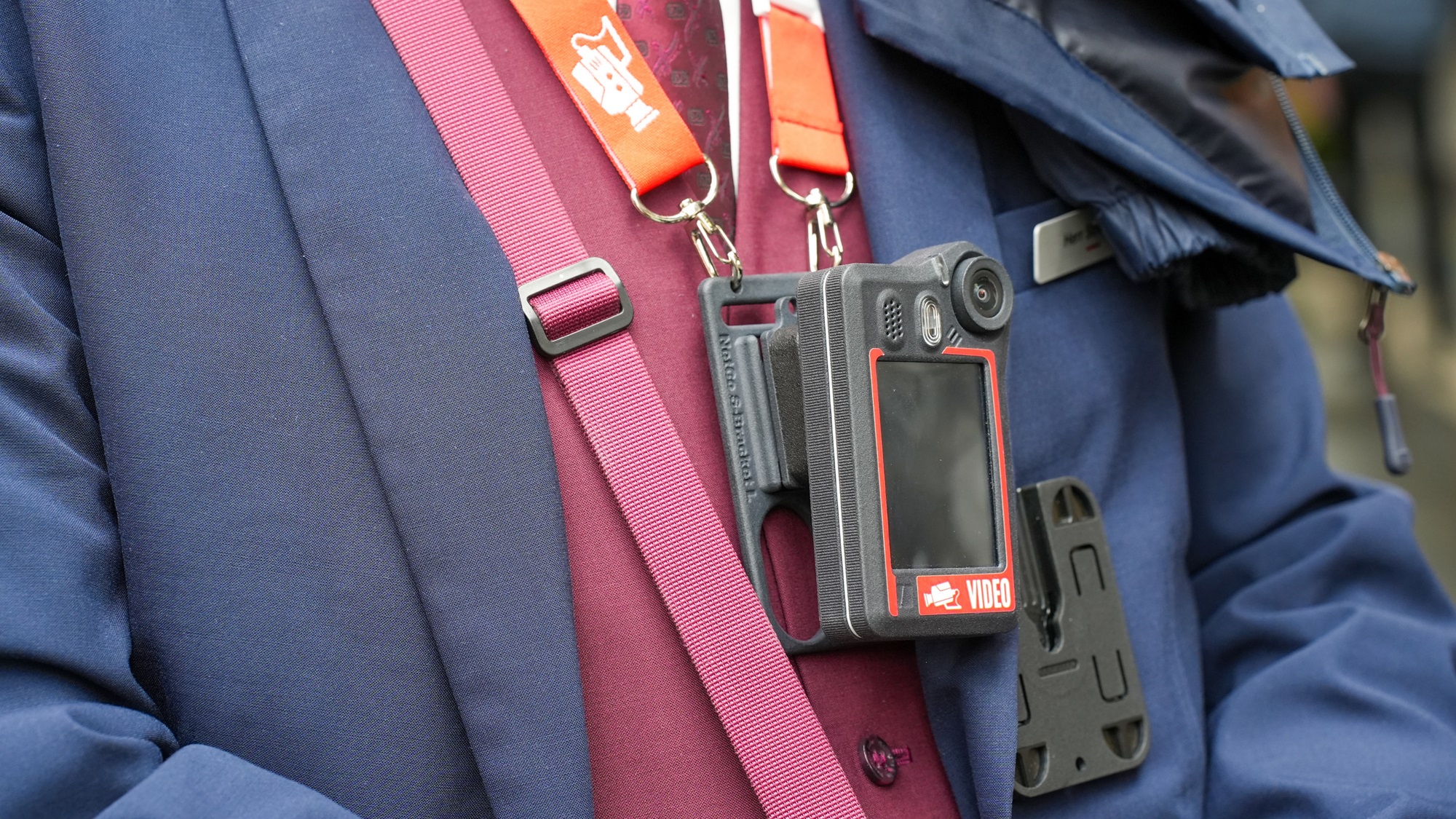
Deutsche Bahn has equipped about one-third of its customer service representatives with body cameras to enhance staff safety.
Impact
positiveThis initiative affects Deutsche Bahn's customer service representatives and potentially impacts passenger safety perceptions. The use of body cameras may deter assaults and improve incident reporting.
Deutsche Bahn (DB) has initiated a safety program aimed at protecting its customer service representatives from increasing incidents of violence. As part of this initiative, the company has equipped approximately one-third of its customer service staff with body cameras. This move comes in response to a growing concern over assaults on railway personnel, which have prompted the need for enhanced security measures.
The deployment of body cameras is part of a broader strategy that includes self-defense training for staff. DB aims to create a safer working environment for its employees, particularly those stationed at busy train stations and on trains where interactions with passengers can sometimes escalate into confrontations.
Initial feedback from the program indicates that the presence of body cameras may serve as a deterrent against potential aggressors. By recording interactions, these devices not only provide a sense of security for employees but also create a reliable record of incidents that can be reviewed if necessary. This could lead to improved accountability and transparency in handling disputes or assaults.
Furthermore, the implementation of body cameras aligns with a growing trend in various industries to utilize technology for enhancing safety and security. Other transport operators may look to DB's initiative as a model for their own safety protocols, particularly in regions where staff assaults are prevalent.
As DB continues to roll out this program, it will likely monitor the effectiveness of body cameras in reducing incidents of violence and improving the overall safety of its customer service representatives. The results of this initiative could influence future policies regarding staff safety across the rail industry.