European Rail’s Responsiveness to Military Conflict Brought into Sharp
Signal
Rail is identified as the only viable option for rapid deployment of heavy military equipment to Eastern Europe, with transit times to Poland potentially reaching up to 45 days.
Impact
neutralRail operators and military logistics planners must adapt to increased demand for rapid transport solutions, while governments may need to invest in infrastructure upgrades to support military mobility.
The ongoing war in Ukraine has prompted a reevaluation of Europe’s military logistics capabilities, particularly concerning the rapid deployment of troops and heavy equipment. During a recent round-table discussion at the Mobco sustainable mobility trade fair in Paris, experts emphasized that rail transport remains the most effective means for moving military assets eastward in response to potential threats from Russia.
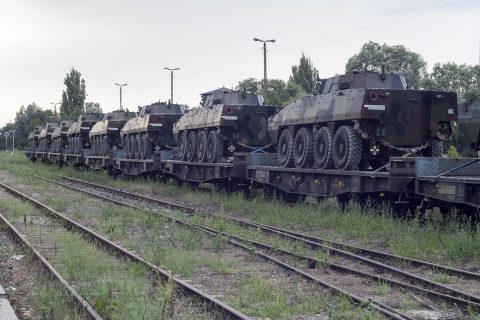
Participants noted that rail is uniquely positioned to handle the logistical challenges associated with military mobilization. Unlike road transport, which can be hindered by traffic and infrastructure limitations, rail offers a more reliable and efficient option for transporting large quantities of heavy equipment, such as tanks and artillery. This capability is crucial as European nations prepare for any escalation in military tensions.
One of the key points raised during the discussion was the estimated transit time for military trains to reach Poland, which can take up to 45 days. This timeline highlights the urgency for European rail operators to enhance their readiness and efficiency in military logistics. The need for swift mobilization has never been more apparent, as nations assess their capabilities in light of the ongoing conflict.
Rail operators, military logistics planners, and government officials are now faced with the challenge of ensuring that rail networks can accommodate increased military traffic. This may involve upgrading existing infrastructure, streamlining processes, and improving coordination between military and civilian rail operations. The implications of these discussions extend beyond immediate military needs; they also reflect broader concerns about national security and the resilience of transportation networks in times of crisis.
As European countries continue to navigate the complexities of military readiness, the role of rail transport will likely become even more critical. The discussions at the Mobco trade fair serve as a reminder of the importance of investing in rail infrastructure and capabilities to support not only commercial freight but also national defense initiatives.