Increase in Physical Assaults on Regional Transit in the Central Regio
Signal
DB Regio reported a 15% increase in physical assaults on regional trains in Rhineland-Palatinate, Hesse, and Saarland last year.
Impact
negativeTransit authorities in the Central Region and local law enforcement agencies face increased pressure to enhance safety measures, while passengers may experience heightened anxiety during travel.
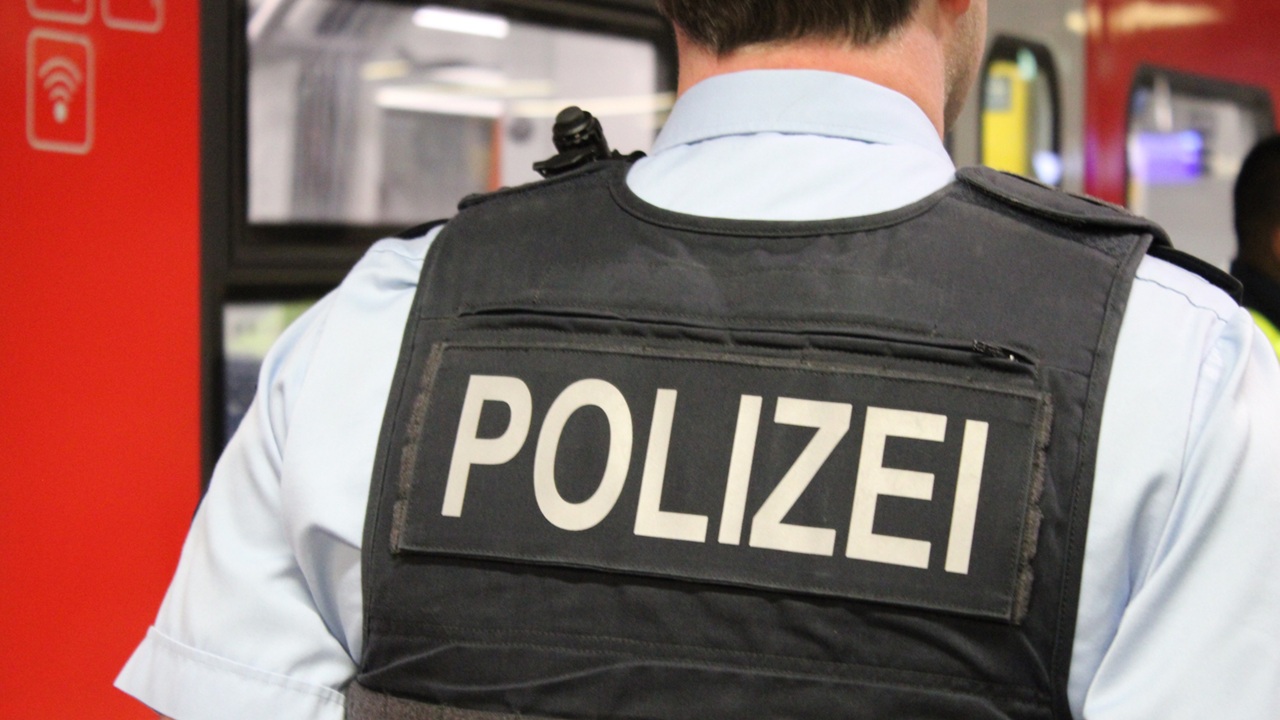
In the Central Region of Germany, the rise in physical assaults on regional trains has become a pressing issue for both transit authorities and passengers. DB Regio reported a 15% increase in such incidents in Rhineland-Palatinate, Hesse, and Saarland last year compared to the previous year. This alarming trend raises significant concerns regarding passenger safety and the overall security of public transportation.
The increase in assaults has prompted transit authorities to reconsider their safety protocols. Local law enforcement agencies are likely to increase patrols on trains and at stations to deter potential offenders. The heightened presence of security personnel aims to reassure passengers and restore confidence in the safety of regional transit systems.
Passengers, on the other hand, may experience increased anxiety while using regional trains. The fear of becoming a victim of violence can deter individuals from utilizing public transportation, potentially leading to a decline in ridership. This decline could have financial implications for transit authorities, as reduced passenger numbers may affect revenue streams.
Furthermore, the rise in assaults may lead to calls for additional funding for safety measures, including surveillance systems and emergency response training for staff. Transit authorities may need to collaborate with local governments to secure the necessary resources to address these challenges effectively.
In summary, the 15% increase in physical assaults on regional trains in the Central Region highlights a critical issue that requires immediate attention from transit authorities and law enforcement. The consequences of this trend could impact passenger safety, ridership levels, and the financial stability of regional transit systems.