
Pro Bahn Calls for Guidelines for Italo's Entry into German Long-Dista
Signal
Pro Bahn calls for clear political guidelines ahead of Italo's entry into the German high-speed rail market in 2028.
Impact
neutralThe German government and existing rail operators like Deutsche Bahn must establish regulations to ensure fair competition, potentially affecting pricing and service quality for passengers.
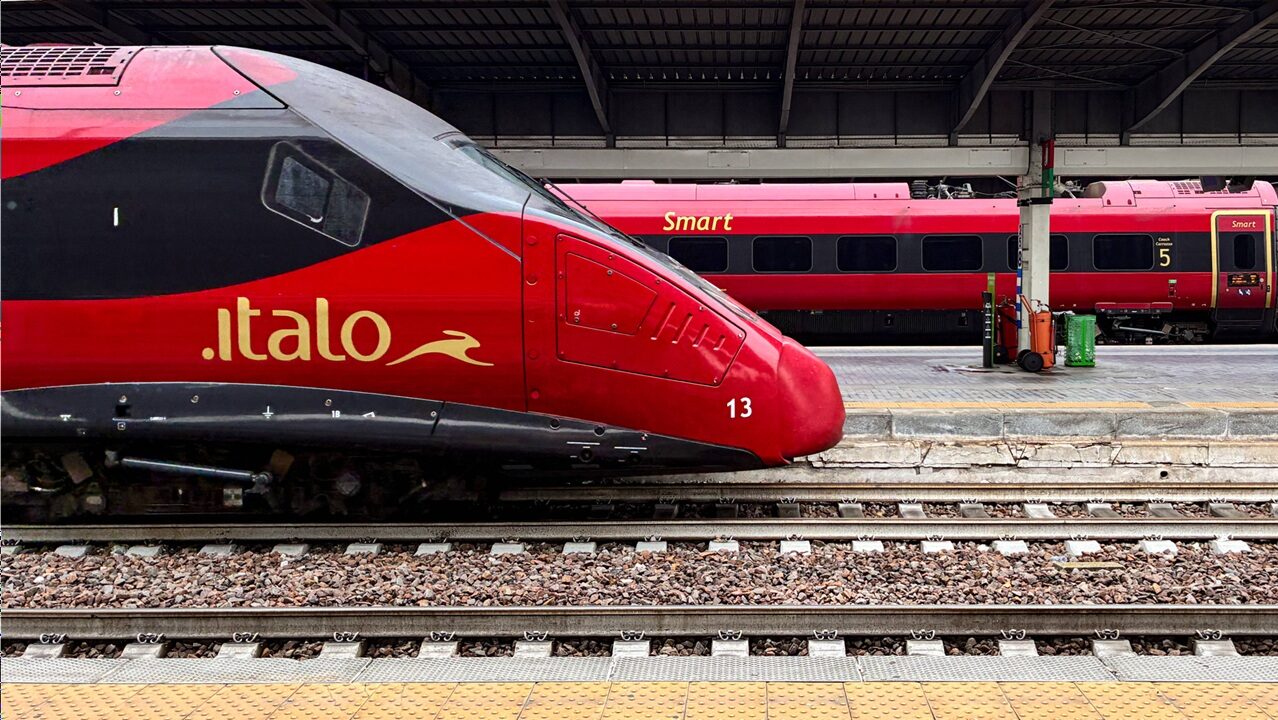
The passenger association Pro Bahn has expressed support for the Italian rail operator Italo's planned entry into the German high-speed rail market, scheduled for 2028. Pro Bahn views this development as a potential catalyst for increased competition within the sector, which could benefit consumers through improved services and pricing.
However, Pro Bahn emphasizes the necessity for clear political guidelines to govern this market entry. The association's call for regulatory clarity indicates concerns about maintaining a level playing field for all operators, particularly in light of the dominance of Deutsche Bahn (DB) in the German rail market.
Pro Bahn's stance reflects a broader trend in European rail markets, where the liberalization of rail services aims to enhance competition and improve customer experiences. The entry of Italo, known for its modern fleet and customer service in Italy, could introduce new standards in the German market.
For existing stakeholders, including Deutsche Bahn and the German government, this situation presents both challenges and opportunities. DB may need to adapt its strategies to compete with Italo's offerings, which could lead to innovations in service delivery and pricing structures. Meanwhile, the German government must navigate the regulatory landscape to ensure that the entry of new operators does not compromise service quality or safety.
As the 2028 entry date approaches, the dialogue between Pro Bahn, government officials, and rail operators will be crucial in shaping the future of long-distance rail travel in Germany. The outcome of these discussions will likely have significant implications for passenger experiences and the competitive dynamics of the rail industry.


