RMV Will Not Raise Ticket Prices at the Start of the New Year
Signal
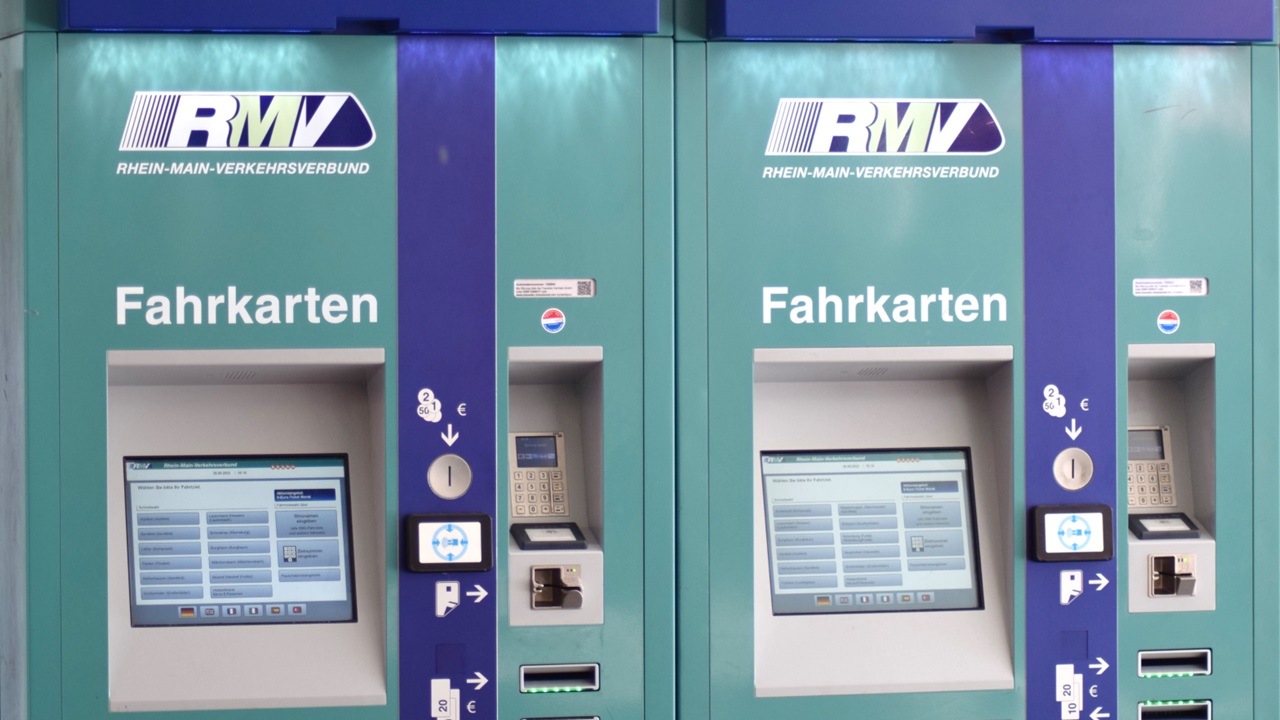
The RMV supervisory board decided to keep ticket prices unchanged for single-ride and day passes starting January 1, 2024.
Impact
positiveCommuters in the Rhein-Main region will benefit from stable fare costs, while local businesses relying on public transport may see increased patronage due to affordability. Additionally, RMV's decision may influence other regional transport authorities considering fare adjustments.
The Rhein-Main-Verkehrsverbund (RMV) supervisory board announced that ticket prices for single-ride and day passes will remain unchanged as of January 1, 2024. This decision marks the first time in several years that RMV has opted not to increase fares, a move that could have significant implications for both commuters and local businesses.
By maintaining current fare levels, RMV aims to alleviate financial pressure on daily commuters in the Rhein-Main region, which includes major cities such as Frankfurt and Wiesbaden. The decision comes amid rising living costs, where many residents are seeking ways to manage their budgets more effectively. Keeping ticket prices stable may encourage more residents to utilize public transport, potentially increasing ridership.
Local businesses that depend on commuter traffic may also benefit from this decision. With affordable transport options, more individuals may choose to travel to commercial areas, boosting sales for shops, restaurants, and services in the vicinity of transit stations. This could lead to a positive economic ripple effect in the region.
Furthermore, RMV's decision may set a precedent for other regional transport authorities. As fare increases have been a common practice across many transit systems, RMV's choice to hold prices steady could prompt discussions among other operators about fare strategies, especially in light of economic pressures on consumers.
Overall, RMV's decision reflects a strategic approach to support commuters and stimulate local economies, while also potentially influencing fare policies in neighboring transport networks.