Smarter Track Inspection for a Safer Railway: Day 1 of Rail Safety Wee
Signal
The UK rail network spans almost 20,000 miles of track that requires regular inspection.
Impact
neutralRailway operators and safety regulators must enhance inspection protocols to mitigate risks associated with track conditions, potentially leading to increased operational costs and safety investments.
Day 1 of Rail Safety Week 2026 emphasizes the importance of track inspection as a fundamental aspect of railway safety. The UK rail network, which covers nearly 20,000 miles, includes a variety of track types such as plain lines, switches, crossings, and joints. Regular inspections are crucial to ensure the integrity and safety of these tracks.
Track inspection presents significant challenges due to the extensive length and complexity of the rail network. Each mile of track must be meticulously examined to identify potential issues that could lead to accidents or service disruptions. This necessity places a burden on railway operators and safety regulators, who must allocate resources effectively to maintain safety standards.
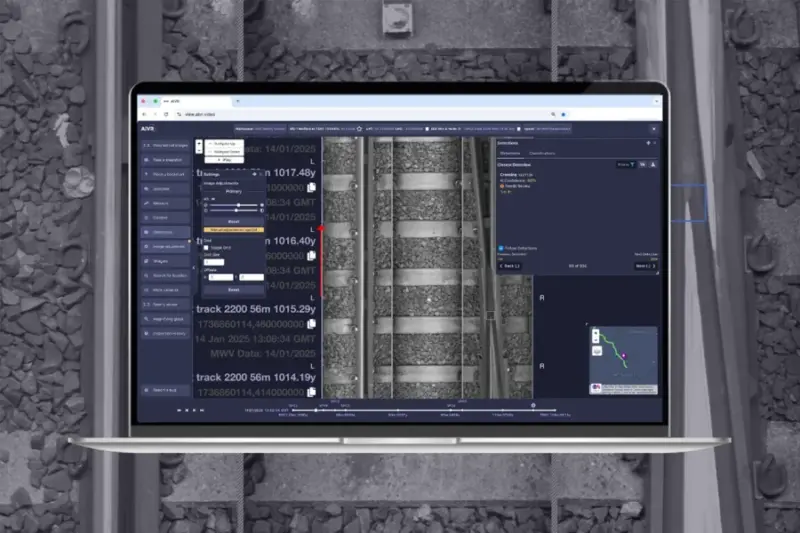
As part of Rail Safety Week, discussions around smarter inspection technologies are likely to gain traction. Innovations such as automated track inspection systems and advanced data analytics can enhance the efficiency and accuracy of inspections. These technologies can help identify problems before they escalate, thereby improving overall safety and reducing maintenance costs.
Stakeholders, including railway operators and safety regulators, will need to adapt their strategies to incorporate these advancements. The implementation of smarter inspection methods may require significant investment but could ultimately lead to safer rail operations and reduced liability for accidents caused by track failures.