Union Warns Italo's Expansion Could Isolate Smaller German Cities
Signal
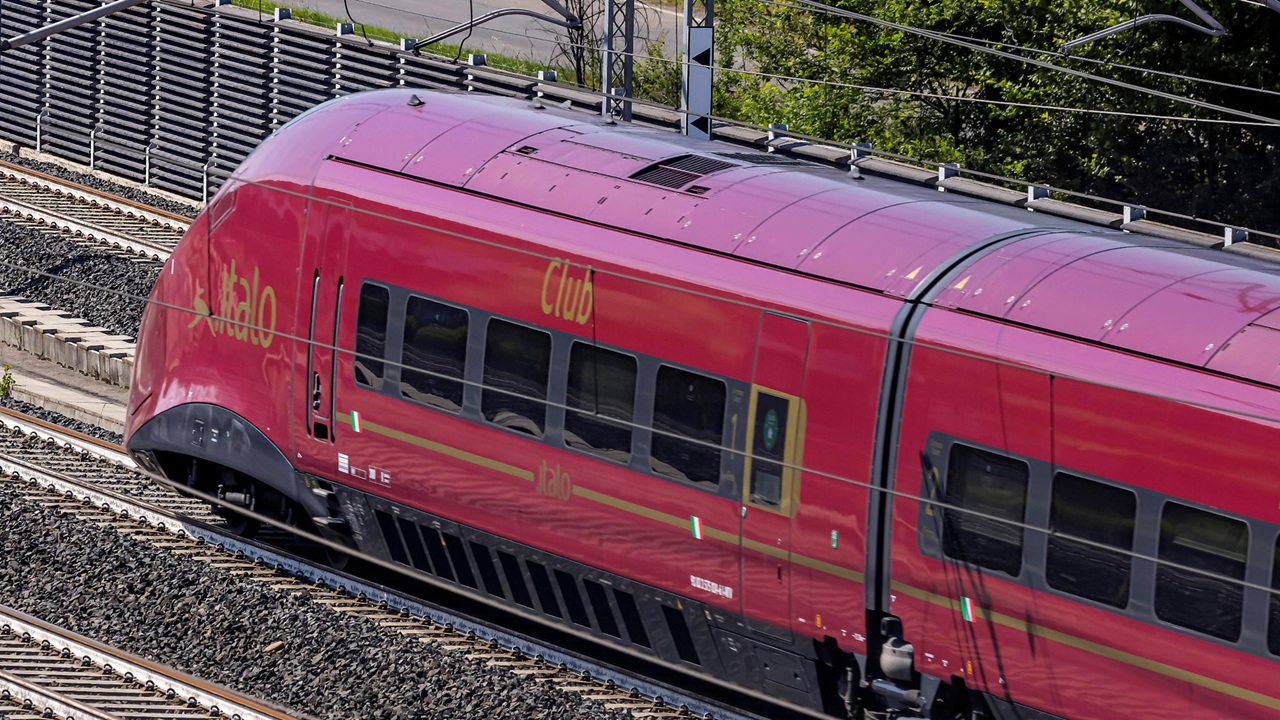
Italo plans to launch long-distance service in Germany starting in 2028, prompting concerns from the EVG union about potential service cuts to at least 16 cities.
Impact
negativeThe EVG union and regional governments may need to advocate for policy changes to ensure continued connectivity for smaller cities, while Italo could face backlash affecting its market entry strategy.
Italo, the Italian rail operator, is set to enter the German long-distance rail market in 2028, a move that has sparked significant concern from the EVG union. The union warns that this expansion could lead to the exclusion of at least 16 smaller cities from long-distance rail services, a situation they describe as 'cherry-picking' by Italo.
The EVG union, which represents railway workers in Germany, argues that the introduction of Italo's services could prioritize profitable routes while neglecting less lucrative connections. This strategy could severely impact smaller cities that rely on long-distance rail for connectivity to major urban centers. The union's concerns reflect a broader anxiety about the future of regional rail services in the face of increasing competition.
Specific cities at risk of losing service have not been disclosed, but the union emphasizes that the potential cuts could disrupt travel for thousands of passengers who depend on these routes. The German rail market has already faced challenges with service reliability and coverage, and the entry of a new competitor like Italo could exacerbate these issues.
In response to these developments, regional governments may need to engage in discussions with Italo and other stakeholders to ensure that smaller cities maintain their rail connections. The EVG union's position highlights the need for a balanced approach to rail service expansion that considers the needs of all communities, not just those along the most profitable routes.
As Italo prepares for its entry into the German market, the company will need to navigate these concerns carefully. Failure to address the needs of smaller cities could lead to public backlash and regulatory scrutiny, potentially complicating its operational strategy in Germany.