
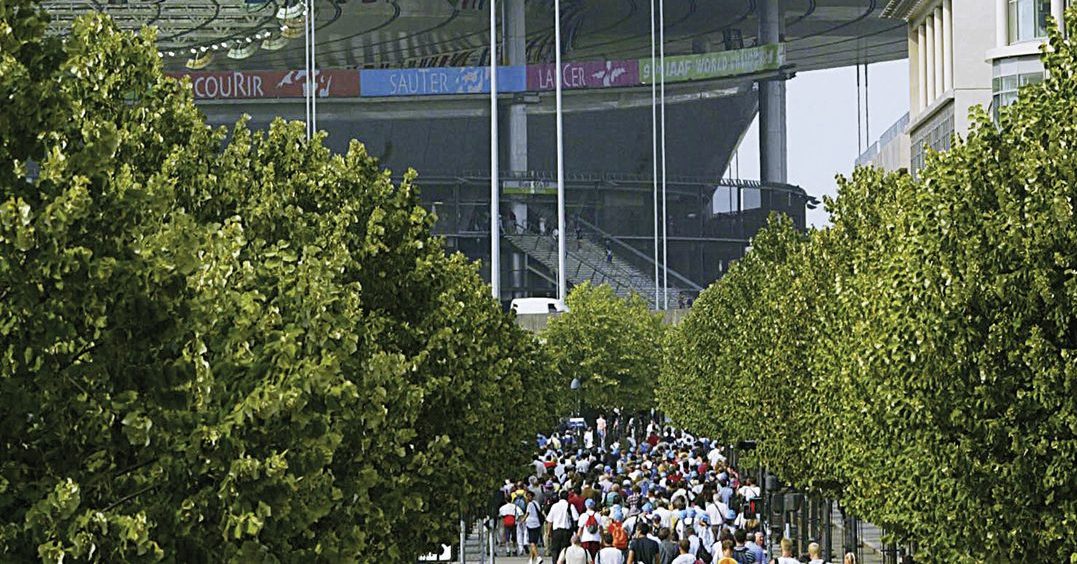
World Cup Travel to Generate Record Pollution Levels
Signal
The World Cup's spectator transport will generate 80% of greenhouse gas emissions, as reported by The Shift Project.
Impact
negativeEnvironmental groups and local governments face increased pressure to address pollution, while airlines and transportation companies may see heightened scrutiny over their carbon footprints.
The 2025 FIFA World Cup is on track to become the most environmentally damaging tournament in history, primarily due to the extensive travel required for spectators. The Shift Project, a French think tank focused on energy transition, reported that transportation between the three host countries will account for a staggering 80% of the event's greenhouse gas emissions. This alarming statistic highlights the significant environmental impact of large-scale international sporting events.
According to The Shift Project's report titled "Décarbonons le sport," the reliance on air travel is a major contributor to these emissions. Spectators will need to traverse thousands of kilometers between host cities, exacerbating the carbon footprint associated with the tournament. The report emphasizes that the environmental cost of such travel is disproportionately high compared to other aspects of the event.
Environmental advocacy groups are likely to increase their campaigns against the carbon emissions generated by the World Cup, urging FIFA and participating nations to adopt more sustainable practices. Local governments in the host countries may also face public pressure to implement measures that mitigate the environmental impact of the event, such as promoting rail travel or other eco-friendly transportation options.
Airlines and transportation companies involved in the World Cup logistics may experience heightened scrutiny regarding their carbon emissions. This could lead to calls for greater transparency in their environmental practices and potentially impact their reputations among environmentally conscious consumers.
As the tournament approaches, the focus on sustainability will likely intensify, with stakeholders from various sectors seeking solutions to reduce the environmental impact of the World Cup. The Shift Project's findings serve as a critical reminder of the need for a concerted effort to address the ecological consequences of global sporting events.